
Egypt Travel Safety Tips for Female Travellers: What to Know Before You Go
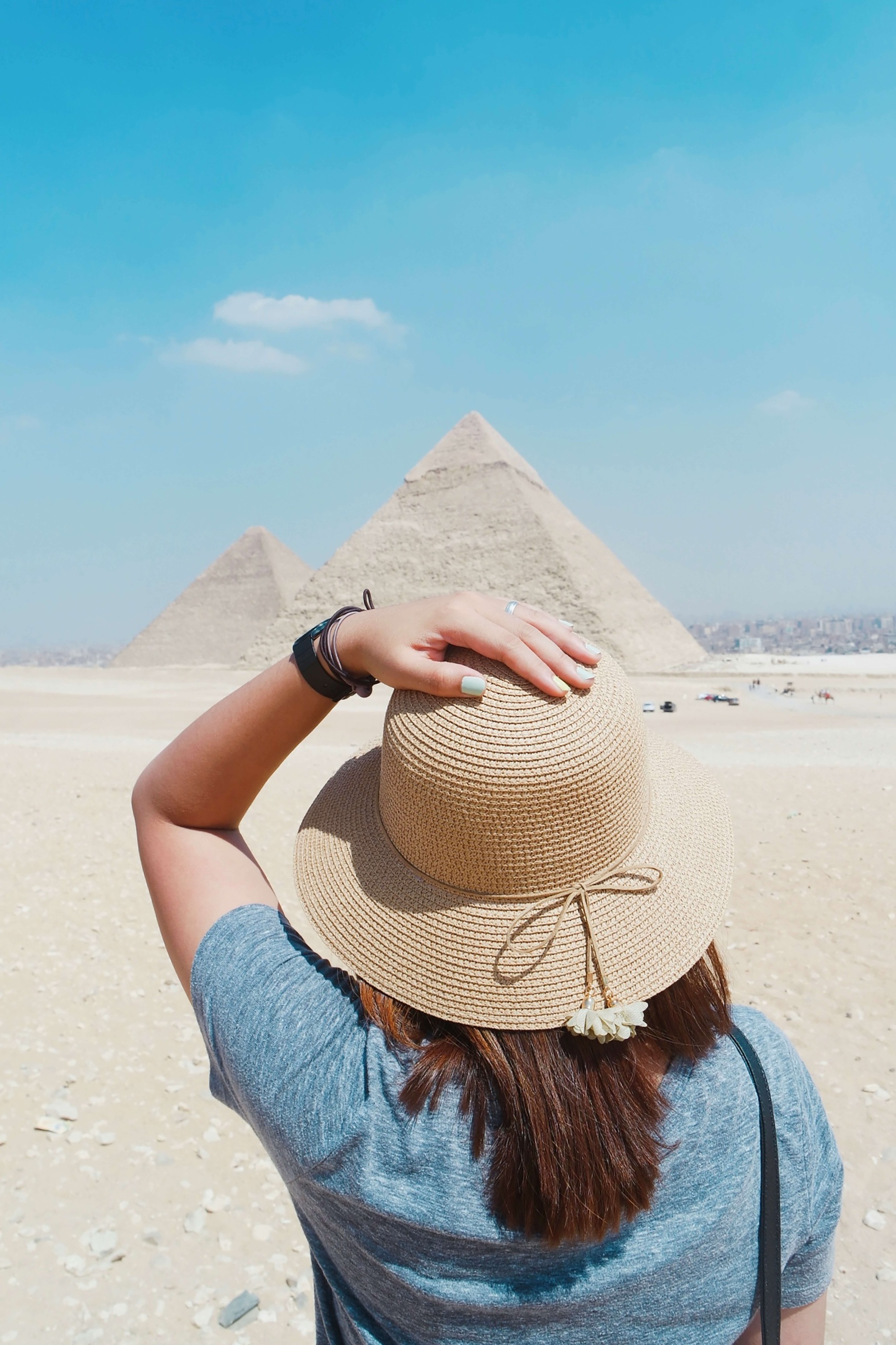
Travelista Editor Jessica Ruth Gibson shares her round up of Egypt travel safety tips to help you feel prepared and at ease before your travels.
Whether you’re preparing to discover the pyramids of Giza, taking a Nile cruise or simply heading to chill out by the Red Sea, it’s common for female travellers to be curious about the local cultures and customs in Egypt. As a confident traveller and travel editor, my aim of writing this article is to help you feel more informed and prepared about what it’s like to travel in Egypt as a woman. I’m lucky enough to be writing from experience after a trip to Egypt that took me across Hurgardha and onto a Nile River cruise from Luxor to Aswan. Let’s get started!
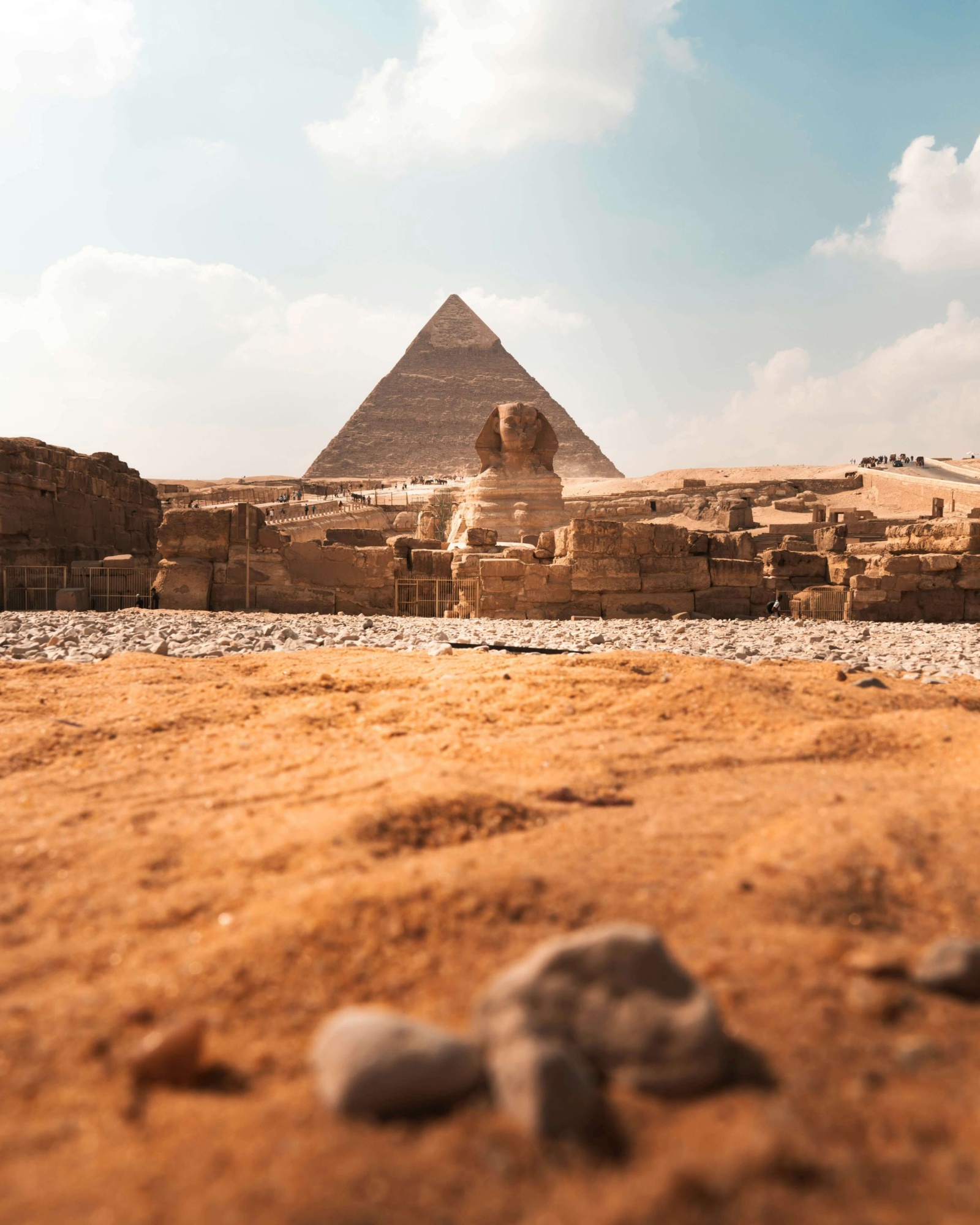
Egypt welcomes millions of international visitors each year, but it is still a destination where understanding local customs is important. Doing simple things like planning your journeys safely in advance and staying aware of your surroundings can make a big difference to your overall travel experience. Knowledge is power, and with all this info under your belt, you can enjoy Egypt for the extraordinary and compelling country we know it to be.
I’ve written this guide as a Q&A, covering as many common questions as I can think of for female travellers. We will cover;
Is Egypt safe for female travellers?
Do women get hassled in Egypt?
What should female travellers know about Egyptian culture and customs?
Do I need a Visa to travel to Egypt?
Are there any common scams in Egypt?
Are there any packing essentials for travelling to Egypt as a woman?
What is public transport like in Egypt?
Is it safe to walk around at night?
Simple ways for women to stay safe while travelling in Egypt?
Is there any particular dress code at Egypt’s pyramids and ancient sites?
Are the stereotypes about travelling to Egypt actually true?
11 Egypt Travel Safety Tips for Female Travellers
1. Is Egypt safe for female travellers?
At the time of writing this (October 2026), The UK Foreign, Commonwealth & Development Office (FCDO) are advising that it is safe to travel to tourist destinations of Egypt including the Red Sea Resorts (Sharm El Sheikh, Hurghada, Marsa Alam, Makadi Bay, and Sahl Hasheesh) and Nile highlights (Cairo, Luxor, Aswan, and Abu Simbel). However,
The FCDO advises against all travel or all but essential travel to North Sinai Governorate, The Egypt-Libya border, Parts of the Western Desert and border regions with Sudan and The eastern part of the Ismailiyah Governorate east of the Suez Canal.
As with any destination, your experience will depend on where you are staying, how you are travelling and what sort of holiday you have planned. A stay at a Red Sea resort will naturally feel very different from exploring central Cairo or travelling through smaller towns and rural areas.
I recommend always checking the UK government’s page on Egypt foreign travel advice for the latest updates before you travel.
2. Do women get hassled in Egypt?
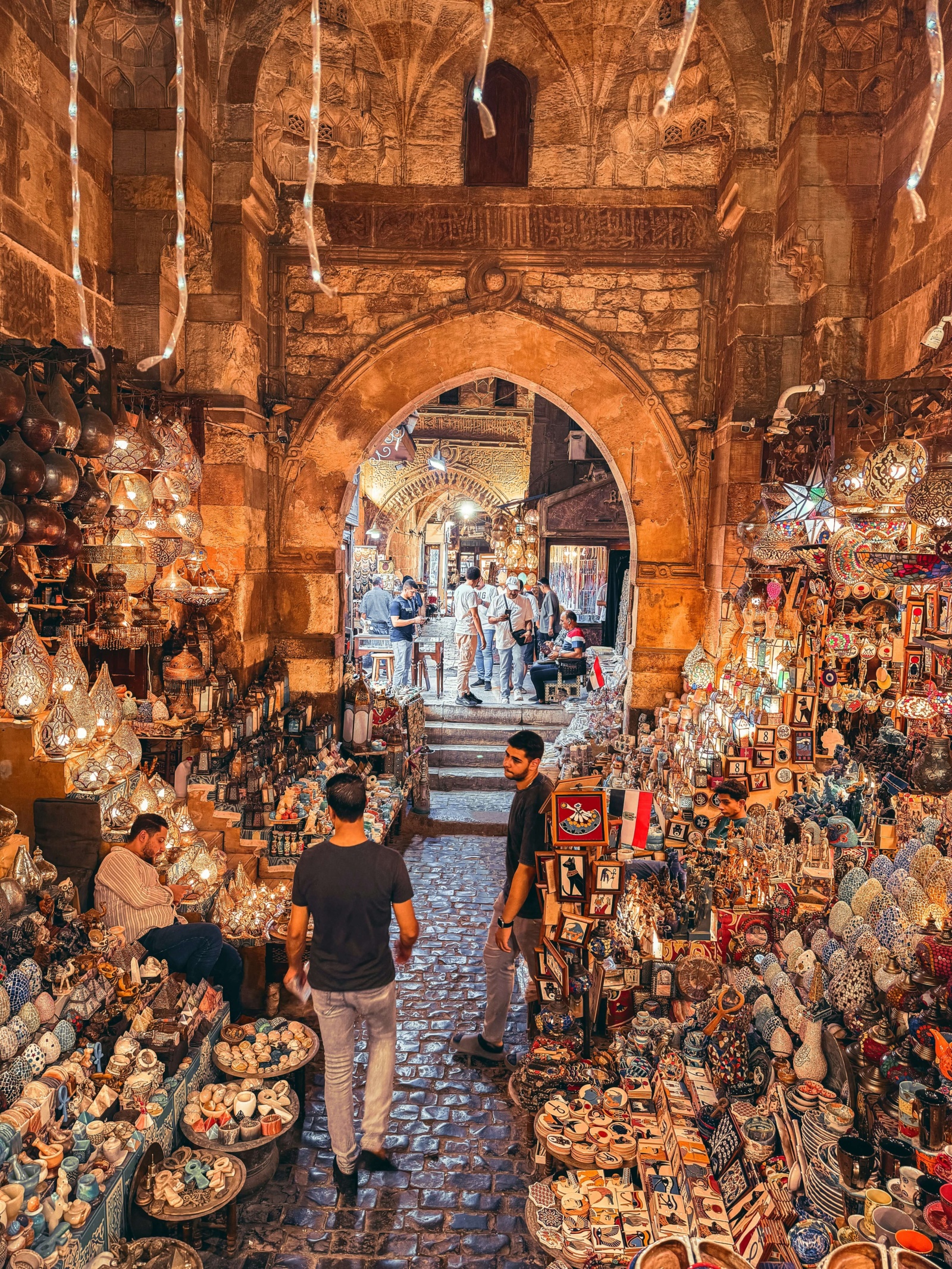
It’s hard to answer this common question with a blanket statement. It will depend on a variety of contexts, but spending time around busy tourist sites, markets and souqs will mean that you encounter more attention, often more so if you have blonde hair (like me). I really don’t like that women should have to alter how they dress to avert the male gaze, but the truth is dressing more modestly in Egypt will create less attention as a woman. With that said, I found most encounters with local Egyptians to be warm, friendly and harmless.
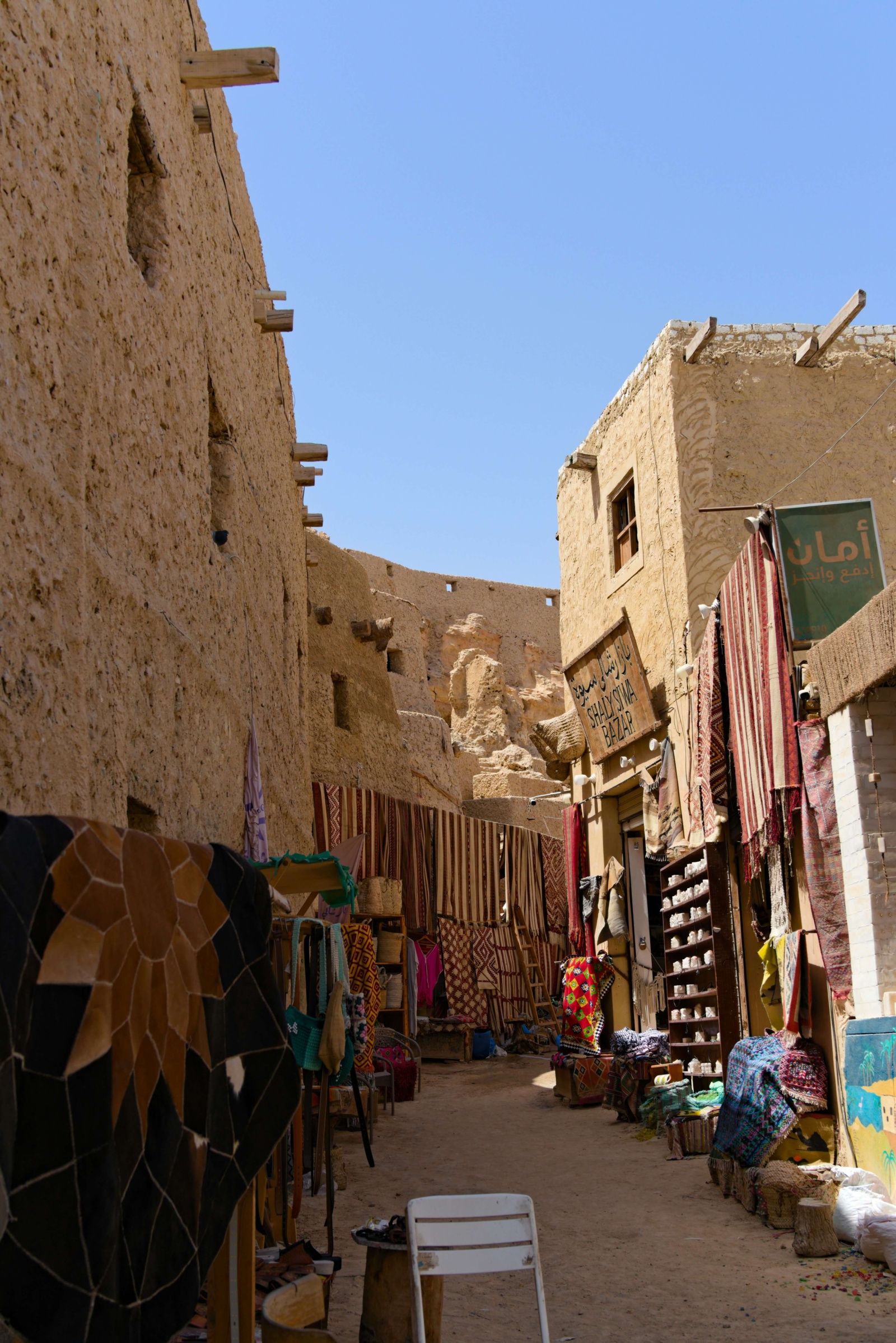
It’s very normal for vendors to approach tourists very directly, inviting you into their shop or asking you to view their tours or products. They commonly open up a conversation by asking you where you’re from. Mostly, they are inviting you to spend money in a harmless way, but you do not need to accept every invitation.
3. What should female travellers know about Egyptian culture and customs?
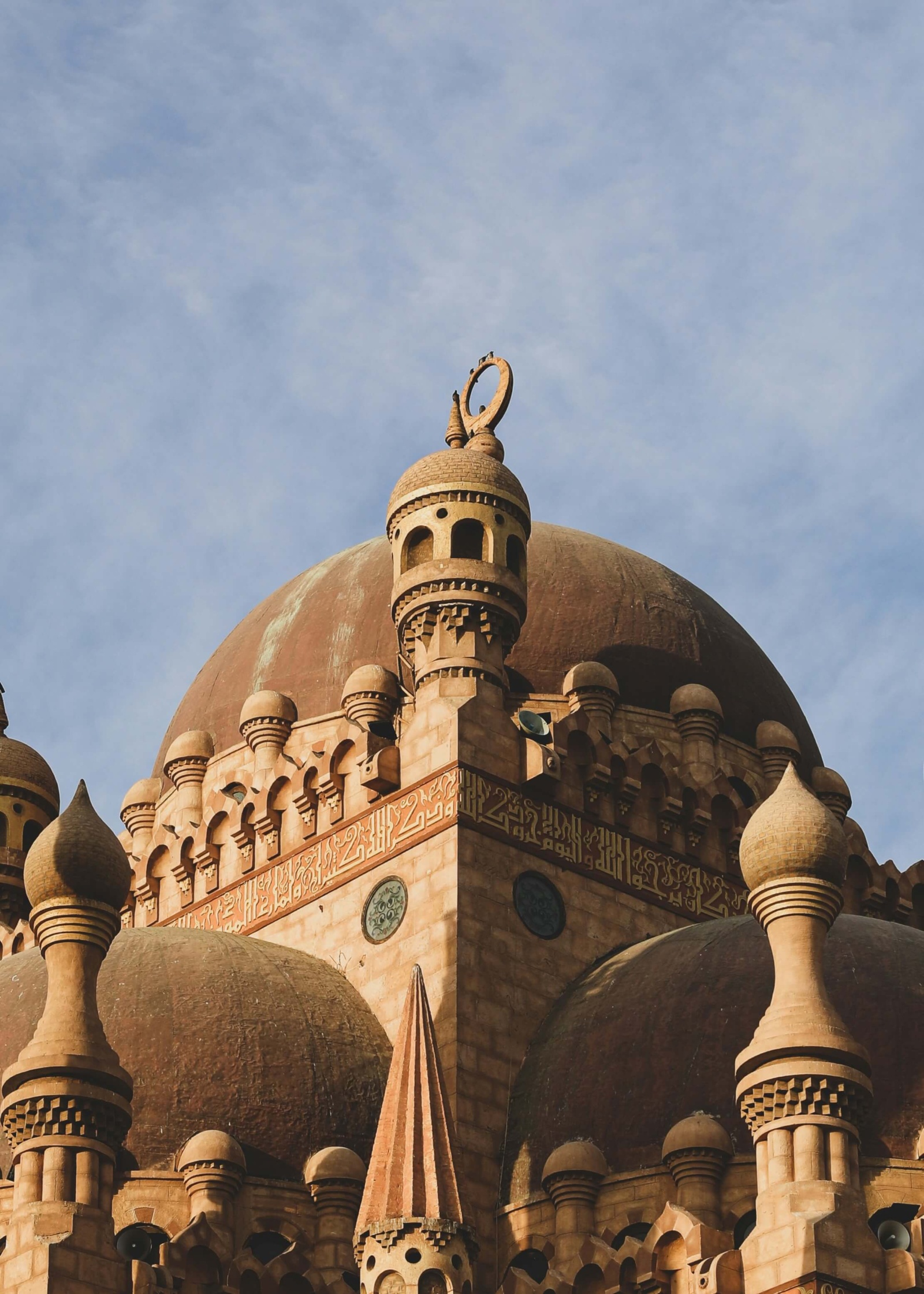
Egypt is predominantly Muslim and tourists are expected to respect local traditions, religions and customs, particularly when visiting religious sites or more conservative areas. A little awareness goes a long way. Be sure to more conservatively (legs and shoulders covered) when visiting mosques and other religious sites. Always ask before photographing people and be mindful of religious holidays and celebrations.
Ramadan and Eid-al-Fitr are important cultural considerations when planning a trip. The Islamic calendar follows the lunar cycle, so dates for these change each year. Ramadan 2027 is expected to begin on the evening of Sunday 7th February 2027, with the first day of fasting starting on Monday 8th February.
Visiting Egypt during Ramadan can be a rich and unique cultural experience, but it will change your experience in ways. Many major tourist attractions close 1-2 hours earlier during Ramadan and most public restaurants are closed until the evening when fasting is broken (Iftar). However, restaurants inside large hotels remain open for tourists.
Finally, Egypt remains a cash-based society in many smaller shops, taxis and local establishments, so always travel with some cash on you. Although cards and Apple Pay are accepted in major cities and tourist destinations.
4. Do I need a Visa to travel to Egypt?
The Visa you need will depend on your nationality, but as this is a UK site we will give the UK advice. If you are arriving by air to Sharm El-Sheikh and staying for less than 15 days at resorts in Sharm El Sheikh, Dahab, Nuweiba or Taba, you do not need a visa. For any other travels, British Citizens will need to obtain a Visa which costs $30 and lasts up to 3 months. You can apply online for Egypt Visa. Your passport must also be valid for 6 months to gain entry to Egypt.
5. Are there any common scams in Egypt?
As in many countries, scams do exist in areas where tourist footfall is high. If anyone tries to put something on you or asks you to hold something, always say no, as they can then try to charge you for what you have worn or claim you have broken it.
Another scam is that people may offer you a ‘free gift’ such as a scarf or a small trinket, explaining it is a welcome to Egypt. If you accept the free gift, they can then demand a tip from you. With this said, I would advise getting comfortable with saying no, and politely declining things.
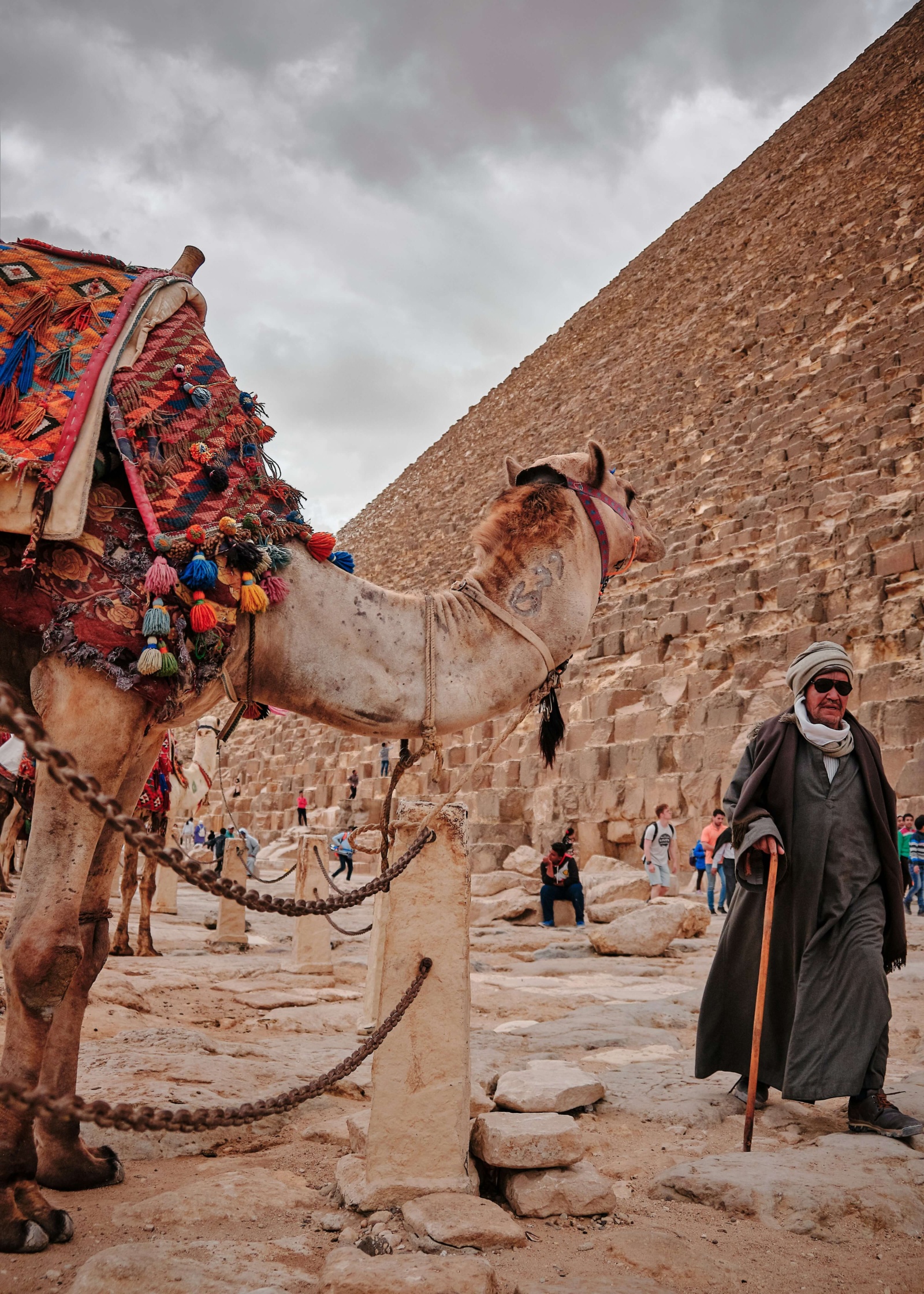
One final word on scams is to avoid anyone selling tours or camel rides at busy tourist sites. These can often be part of scam where money is demanded to return you home. Only book tours through your hotel or online through reputable booking sites like GetYourGuide (Travelista’s go-to booking partner for tours).
6. Are there any packing essentials for travelling to Egypt as a woman?
Be sure to pack lots of lightweight, loose clothing that is well suited to the heat. Things like linen shirts and trousers are perfect for rolling up into your day bag and pulling out for religious sites or if the air-con gets too aggressively cold. It’s important you feel comfortable, so make sure you also have really comfy footwear for long days on your feet exploring archaeological sites, temples and markets.
A few other Travelista packing essentials for Egypt include;
- Suncream and SPF
- Hat and sunglasses
- Bum bag or cross-body bag with zip to keep your belongings safe
- A lightweight scarf or pashmina
- Cooling water bottle
- Power bank for recharging your devices
- Comfy trainers or sandals
- Swimwear
- Small amount of Egyptian Pound (EGP)
7. What is public transport like in Egypt?
Public transport in Egypt is extensive and affordable. For longer journeys, the Egyptian National Railways (ENR) connects major destinations including Cairo, Alexandria, Luxor and Aswan, with comfortable, air-conditioned first and second-class carriages available on selected services. The overnight sleeper train between Cairo, Luxor and Aswan is another option, with private cabins and meals included.
In Cairo, the Cairo Metro is an inexpensive and efficient way to avoid the city’s notorious traffic, with designated women-only carriages available for those who prefer them.
Regulated taxi apps such as Uber and Careem are often the go-to for female travellers in Egypt, allowing you to arrange transport without negotiating fares with traditional taxis. For female travellers in particular, having your route and onward transport planned before setting out can make navigating a busy city or unfamiliar destination feel considerably more straightforward.
Top Tip: Like with Uber / Uber Eats, Careem offers a food delivery service too. If you ever didn’t feel like leaving your hotel at night or eating out alone, you can order local food via Uber Eats or Careem to your accommodation.
8. Is it safe to walk around at night?
There isn’t one answer that applies to every part of Egypt. Walking through a busy, well-known area of Cairo is a very different proposition from walking alone along an unfamiliar street late at night. Due to the daytime heat, the evening is the time when places come alive, like souks and central squares – you don’t want to miss out on this.
The sensible approach is to think about your surroundings and plan your routes. Stick to well-it areas, know how you are getting back to your accommodation and consider arranging transport rather than walking if you are unfamiliar with the area.
If you’re travelling with friends or a partner, staying together after dark can feel reassuring. If you’re travelling solo, you can always choose to share your location at all times with a loved one back home. Make sure they know where you are staying and your daily plans. This can provide an extra layer of reassurance without changing the character of your trip.
9. Simple ways for women to stay safe while travelling in Egypt?
One of the most useful things you can do when travelling anywhere unfamiliar is make sure you can stay connected. Having mobile data means you can use maps, share your location, research hotels and tours and book taxis immediately.
If you’re wondering how to get internet in Egypt, an eSIM can be a very smart thing before you travel. Having data available as soon as you arrive means you don’t have to rely on unfamiliar Wi-Fi networks or wait until you find a café or hotel connection. It can also be useful for accessing travel apps and checking information while you’re out exploring.
Another way to make sure you stay safe in Egypt as a woman is to have comprehensive travel insurance, covering any healthcare matters that might arise during your travels.
10. Is there any particular dress code at Egypt’s pyramids and ancient sites?
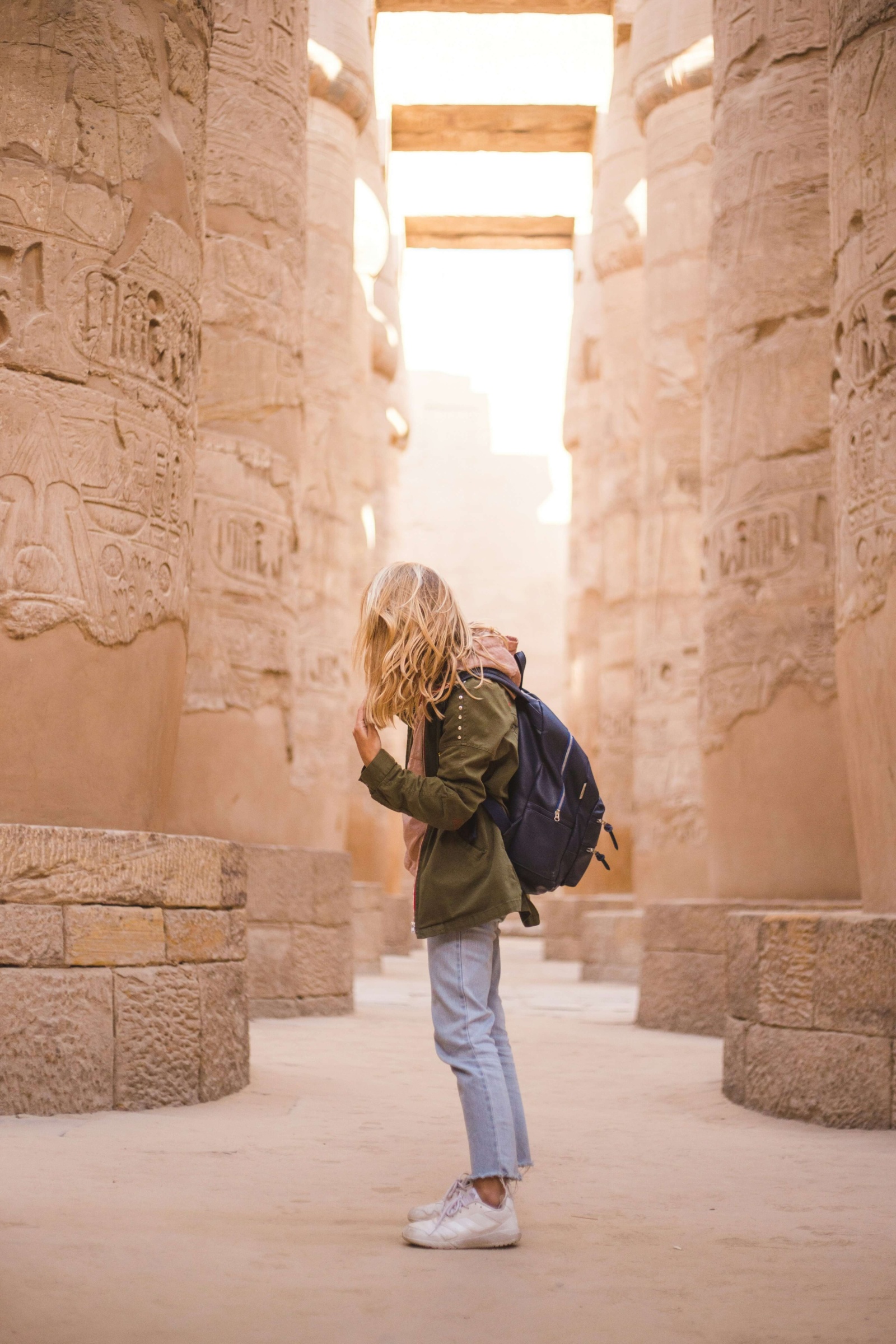
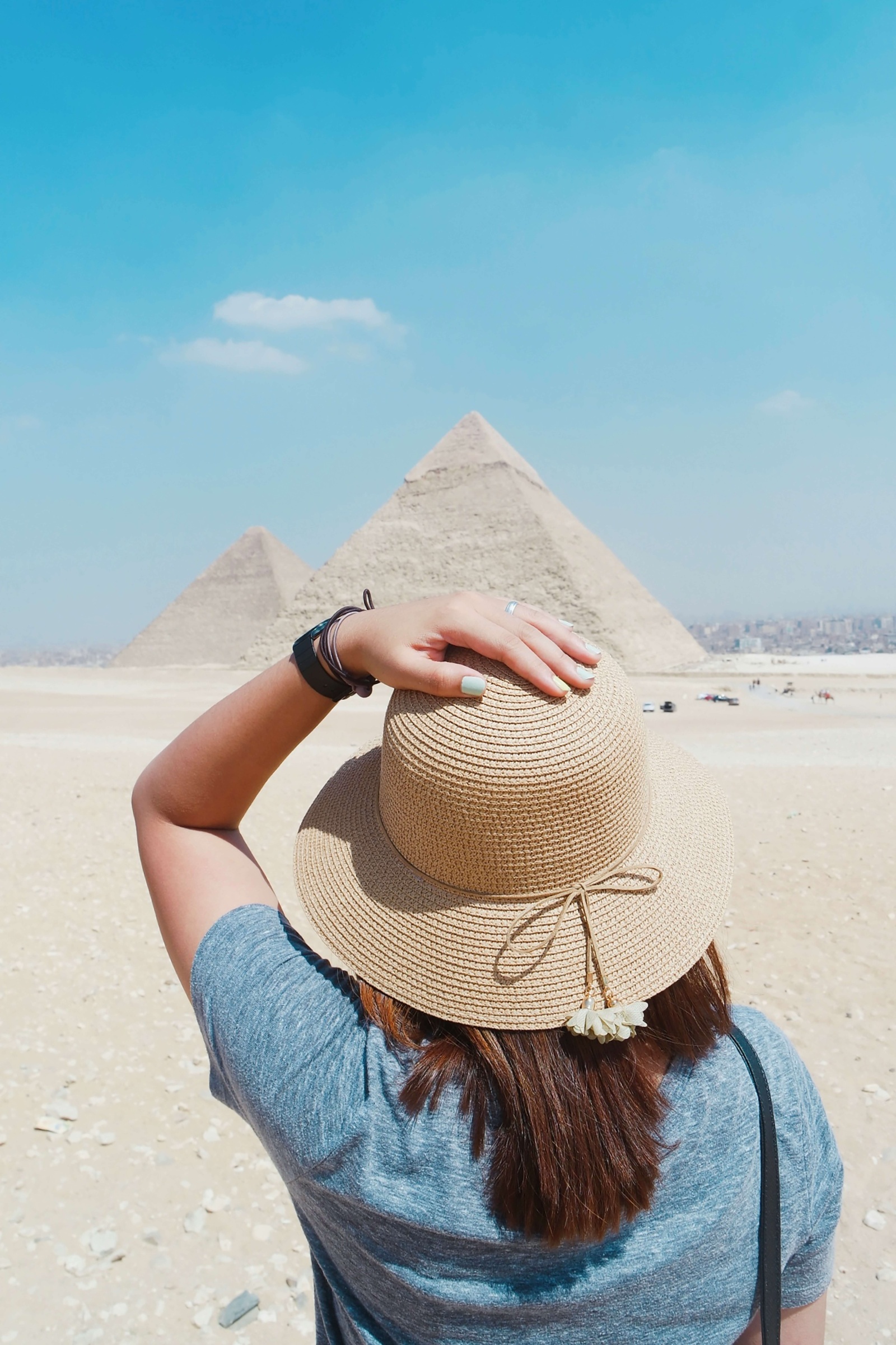
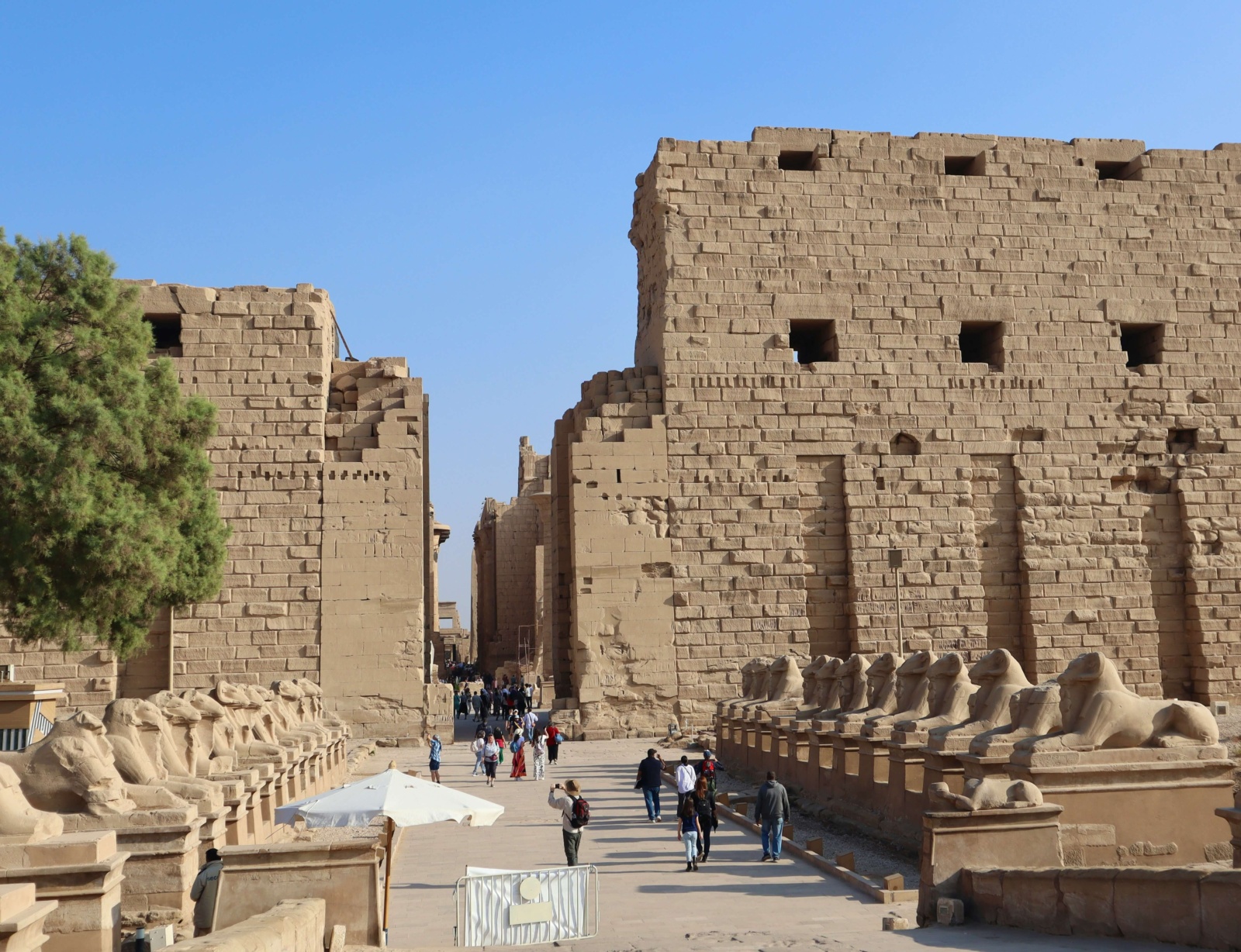
There isn’t one universal dress code for every ancient site in Egypt, but as a general rule women are expected to cover their legs and shoulders when entering religious sites and archaeological attractions. Loose fitting clothing is also going to make you feel more comfortable and draw less attention to yourself.
The official tourism guidance recommends that women cover their arms and legs when visiting mosques, churches and synagogues, and carrying a scarf or light cardigan can make this easy to manage. Some attractions will have these things to hire for a small fee, but it is worth coming prepared with your own items.
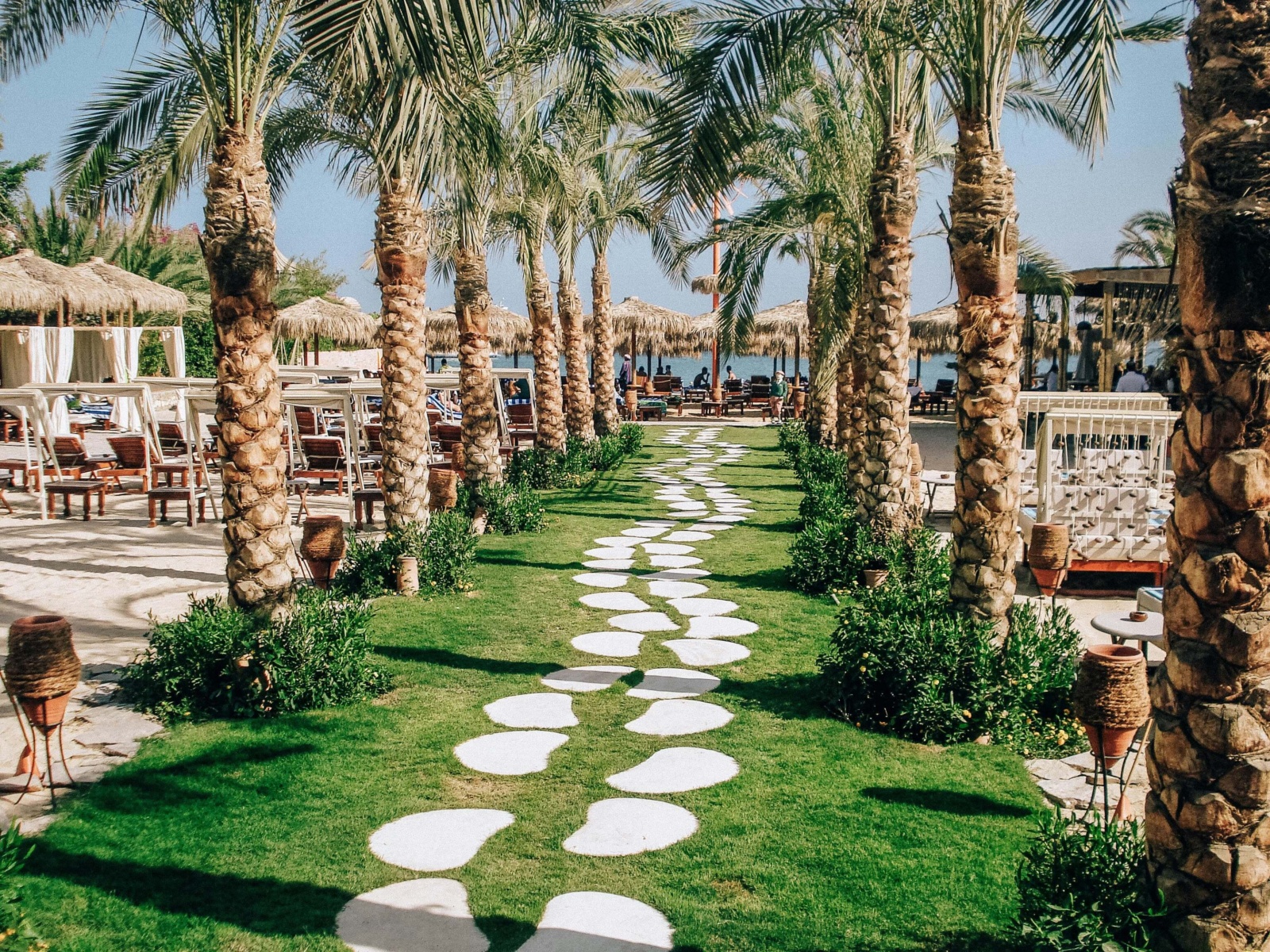
There are no regulations on what to wear in hotels in Egypt and cute holiday fits and bikinis around the pool are more than acceptable. Although Egypt is a Muslim country, the hotel environments remain as liberal as most Mediterranean countries.
11. Are the stereotypes about travelling to Egypt actually true?
When I think about stereotypes in Egypt, the first one that springs to mind is that the local men will offer to buy female tourists by offering a number of camels. I’d love to say that this cliche is a thing of the past, but I can’t promise you won’t still come across it. It’s best to visit Egypt with an acceptance that societal norms are different and assume things will potentially be less progressive than where you live. This way you’re likely to be less shocked or offended if you do experience anything along these lines.
Key Takaway
For female travellers, preparing for Egypt is less about following a long list of restrictions and more about understanding the destination before you arrive. Research your route, choose reputable accommodation and tour operators, keep your phone connected and give yourself enough flexibility to adapt to the circumstances around you.
Now that you are armed with travel safety tips, I invite you to travel through Egypt with curiosity, and to respect the places and people you encounter. It’s time to peel back the layers of this fascinating ancient country. Bon Voyage!
Browse and book tours in Cairo


Leave a comment