
The Essential Digital Toolkit for Travel Creators

After 13 years as a travel blogger and content creator, Travelista Editor Jessica Ruth Gibson shares her essential digital toolkit – including all the websites, apps and platforms she uses on a daily basis to work smarter, from anywhere in the world.
People often assume that running a digital travel business is all about hopping on flights and taking beautiful photos, but the reality is that most of my time is spent behind a laptop. From writing destination guides and pitching tourism boards to editing videos, analysing traffic and sending newsletters, there’s a huge amount that goes on behind the scenes to keep Travelista running. If you’re wondering how to become a content creator, this article shares some of my best industry tips.
I truly believe that above all, the most empowering and liberating thing about being a travel content creator is that I can do it from anywhere in the world. As long as I have my laptop and a good Wi-Fi connection, I can be productive, stay connected, publish content and ultimately, make money.

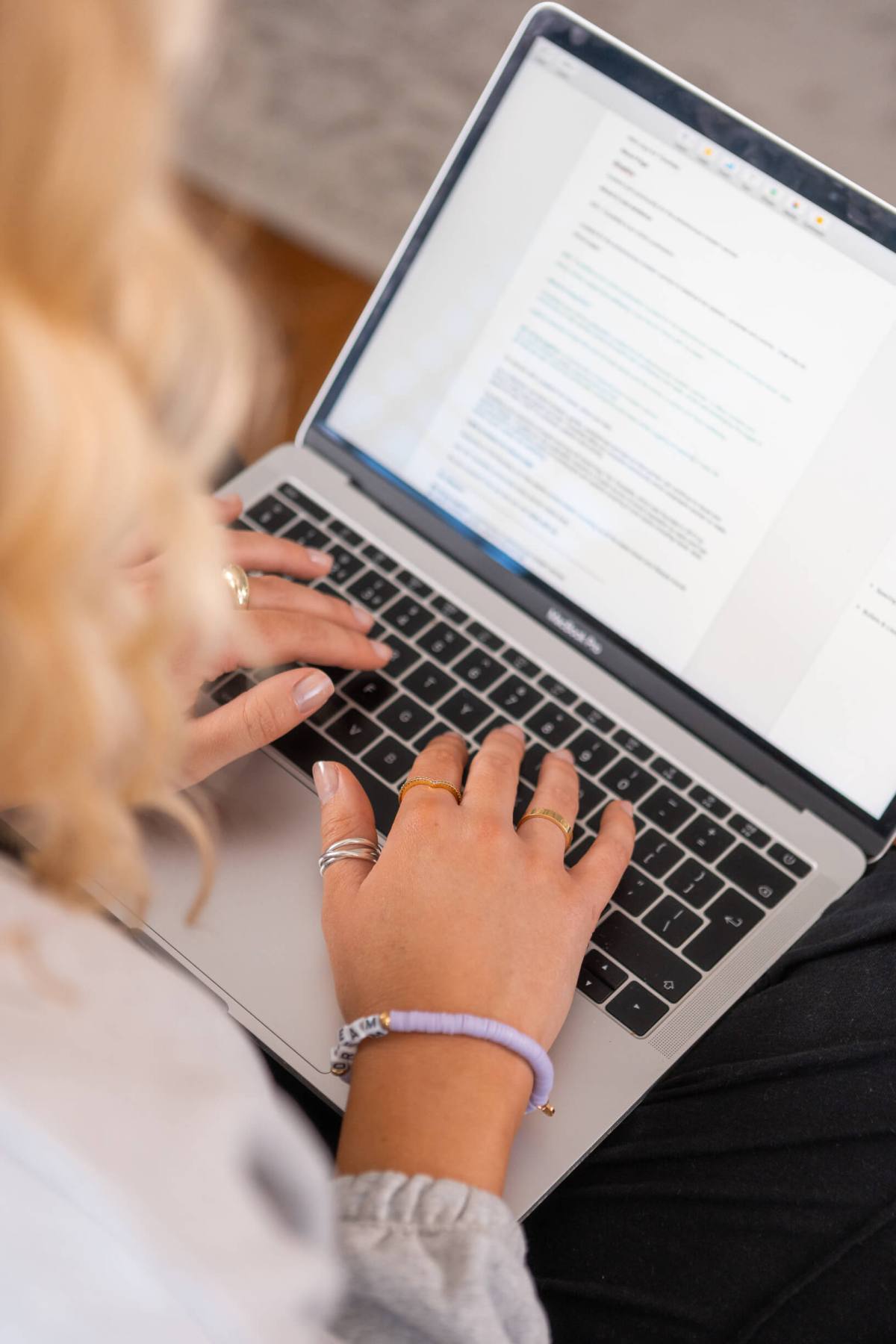
Over the years, I’ve refined a digital toolkit that allows me to manage every aspect of my business remotely. Simply put, this toolkit is just a collection of apps, platforms and subscriptions that allow my business to function efficiently on a daily basis. Some are free, whereas others require a subscription, but over the years I’ve figured out exactly which are worth investing in (and which aren’t). Whether I’m working from my home office, an airport lounge or a hotel abroad, I couldn’t be without these platforms. They help me to run or grow my business more efficiently and professionally.
Every tool featured in this guide is one I personally use and pay for because it helps me save time, stay organised, create better content, connect with my audience or generate income from my travel website. If you’re looking to build your own travel brand, these are the platforms I’d recommend investing in.
I have broken my toolkit down into 4 different sections;
- Tools to Create Professional Content
- Tools to Communicate Like A Professional
- Tools to Grow Your Audience
- Tools to Montise your content
The Essential Digital Toolkit for Travel Creators
Tools to Create Professional Content
1. Canva
From Reel cover photos to media kits and campaign proposals, Canva has become one of the most valuable tools in my business. I don’t have a graphic design background, but Canva makes it easy to create professional-looking assets that stay consistent with my branding and colour palette. The Pro subscription costs around £12.99 per month and is worth every penny for the additional templates, Brand Kit and premium elements.
2. InShot
As video has become increasingly important across social media, InShot has become one of my most-used mobile apps. It’s incredibly user-friendly and you can slice clips, add text and record your voiceovers all within the app. It also has a library of royalty-free music and sound effects within the app to layer over your videos. I use it to edit Reels and short-form travel videos, trim clips, add music and prepare content, mostly for Instagram. The annual subscription of £11.49 makes it less than a £1-a-month investment. It’s a no-brainer!
3. VEED
Captions are no longer optional. VEED automatically generates subtitles for my videos, saving a huge amount of editing time while making content more accessible for viewers. Captions also help improve engagement, particularly on social media where many people watch videos without sound. This app is a little pricier at £34.99, but for the efficiency and consistency it brings to my content, I think it’s well worth it if you’re creating chatty video content regularly.


4. Google Docs
Whether I’m writing sponsored articles, planning campaigns or collaborating with tourism boards, Google Docs is one of those tools I use almost every day. Rather than emailing Word documents backwards and forwards, I simply share a link that brands and clients can access instantly from anywhere in the world – without needing to download or save anything to their device. It’s also brilliant for leaving comments, suggesting edits and approving content collaboratively, making the whole process much quicker and more efficient.
4. TinyPNG
If you have a blog or website that you regularly upload photos to, optimising your images is essential. Large image files can slow down your website and affect page loading times, which isn’t ideal for either user experience or SEO. There is a free version of TinyPNG where you can compress up to 20 images at a time (still helpful), but I use the paid version (£29.05 per year). This allows you to compress up to 75 images at once, so I can get the job done even quicker. This tool saves me so much time in resizing, allowing me to keep Travelista running as quickly and efficiently as possible.
Tools to Communicate Like a Professional
5. Secure Business Mail
As your travel business grows, a professional business email is a must. You need a professional business email address which matches your website domain. Whether you’re pitching tourism boards, negotiating brand partnerships or exchanging contracts and invoices, communicating through a business email linked to your own domain instantly looks more credible. It’s become an important part of presenting Travelista as a professional publication while keeping business communications organised and secure from anywhere in the world.

6. Google Mail
While I recommend having a dedicated business email, Google Mail has transformed the way I manage day-to-day communication. It was recommended to me by my fantastic independent web host and I haven’t looked back since. Powerful search, labels and email templates make it much quicker to stay on top of enquiries, while Smart Compose helps speed up replies when I’m travelling or working between meetings. It might sound like a small change, but switching from Apple Mail has genuinely improved my daily workflow and helps me clear my inbox so much faster.
Tools to Grow Your Audience
7. Flodesk
Email is still one of the most valuable ways to build a loyal audience, and building a list of subscribers is one of the most valuable assets your business can have. Unlike social media, where algorithms constantly change, your email list belongs to you, and emails land every time. I use Flodesk to create beautiful newsletters that keep my readers engaged, share new articles and stay connected with my community in a much more personal way. It also has great e-commerce features built in if you sell things like products or courses.
Use my Flodesk referral code to get 25% off for your first year, which will save you a huge amount!


8. Google Analytics
Publishing great content is only half the battle. Google Analytics helps me understand how readers discover Travelista, which articles perform best and what content resonates most with my audience. Instead of guessing what readers want, I can make informed editorial decisions based on real data. Google Analytics is free and is a key tool for measuring my website’s success. It’s also invaluable for tracking long-term growth, identifying seasonal trends and understanding which articles are worth updating or expanding.
Tools to Monetise Your Content
9. Stay22
Affiliate marketing has become one of the most valuable passive income streams for my business, and Stay22 has been a fantastic addition to my toolkit. It allows me to earn commission when readers book hotels and travel services through partners such as Booking.com, Expedia and Hotels.com. Because the links are highly relevant to my travel guides, they fit naturally within the content while creating an additional revenue stream.
Use my Stay22 referral code and we both earn a bonus when your website hits 100 bookings!
10. Mediavine
Display advertising is another key part of my monetisation strategy, and joining Mediavine completely changed the way I monetise Travelista. Their premium advertising network has helped transform my website traffic into a reliable source of passive income, allowing me to invest more time into creating high-quality travel content. Even better, the entry requirements have recently become more accessible, giving smaller publishers an opportunity to join sooner than before.

10. Paypal
When you’re working with brands across different countries and currencies, PayPal makes getting paid incredibly straightforward. I use it for invoicing clients, receiving international payments and occasionally paying suppliers too. Being able to send an invoice or request payment from anywhere in the world is invaluable when you run a remote business.
Top tip: I apply a 6% surcharge for any client who chooses to pay via PayPal. This ensures the transaction fees don’t eat into my earnings. In almost every case, clients are happy to pay it, so don’t be afraid to include it as part of your payment terms when you’re negotiating a campaign fee. It’s a simple way to protect your profit without any awkward conversations later.
Final Thoughts
Building a successful travel business isn’t about using every app available – it’s about finding a handful of reliable tools that genuinely improve your workflow and processes. These are the platforms I return to every single week (if not day) because they help me create better content, connect with my audience, run my business more efficiently and generate sustainable income. If you’re serious about growing as a travel creator, investing in the right digital toolkit can make all the difference.
Read next: 6 Smart Ways to Diversify Your Income as a Travel Blogger




Leave a comment