
How Does Travel Insurance Work? A Travelista Guide to Getting the Right Cover

An essential part of travelling smart, travel insurance offers more than just peace of mind. Here’s what to look for when choosing the right cover for your next adventure.
It might not be the most exciting decision you’ll make about your next adventure, but having the right travel insurance can make a significant difference if things don’t go to plan. From unexpected medical emergencies and cancelled flights to lost luggage and travel disruption, a suitable policy can help protect both your holiday, your finances and ultimately your peace of mind.
But how does travel insurance actually work? What does it cover, how much should you expect to pay, and how do you choose the right policy? Whether you’re planning a weekend city break, a family beach holiday or a longer adventure overseas, here’s everything you need to know about travel insurance.

In this travel insurance guide, we’ll cover:
- How does travel insurance work?
- What does travel insurance actually cover?
- Do you need travel insurance if you have a GHIC?
- How to choose the right travel insurance policy
- Single-trip vs annual multi-trip insurance
- How much does travel insurance cost?
- How to save money on travel insurance
How does travel insurance work?
Travel insurance provides financial protection against unexpected costs before or during your holiday. You pay one fixed amount (called a premium) for a policy and if something happens that’s covered, you can make a claim to recover eligible expenses.
For example, if you need emergency medical treatment whilst abroad, suitable cover could help with hospital bills and the cost of getting you home. It can also help recover non-refundable holiday costs if you have to cancel for an insured reason, such as serious illness.
Remember, not everything is covered in each policy. Each policy has its own conditions, exclusions and payout limits, so it’s important to look closely at the terms to understand exactly what you’re buying.


What does travel insurance actually cover?
Policies vary between providers, but most comprehensive travel insurance offers protection across several key areas.
1. Emergency medical expenses
Medical cover is arguably one of the most important parts of travel insurance. If you fall ill or have an accident overseas, treatment can be expensive, particularly in destinations such as the USA where healthcare is private. Depending on your policy, medical cover may include emergency hospital treatment, ambulance costs, medication and medical repatriation if you’re unable to return home using your original travel arrangements.
Top tip: Look closely at the maximum medical expenses limit and check whether repatriation is included.
2. Lost, stolen or delayed baggage
Arriving at your destination without your suitcase is nobody’s idea of a relaxing holiday. Baggage cover can compensate you if your belongings are lost, stolen or damaged, while some policies also provide a benefit if your luggage is delayed and you need to purchase essential items.
There are usually limits on individual valuables, electronics and other high-value belongings. If you’re travelling with expensive cameras, laptops or jewellery, check whether your policy offers sufficient protection.
3. Cancellation and curtailment
Sometimes, circumstances outside your control mean you can’t take your holiday at all. Cancellation cover can help recover eligible non-refundable travel and accommodation costs if you have to cancel for a reason included in your policy.
Curtailment cover is slightly different. It applies when you’ve already started your holiday but need to cut your trip short and return home unexpectedly because of an insured event. Check the cancellation limit carefully, particularly if you’ve booked an expensive holiday involving multiple flights, hotels and pre-paid experiences.
4. Travel delays and missed departures
Flight delays, cancellations and missed connections can quickly disrupt your travel plans. Depending on your policy, you may be able to claim for certain additional expenses, such as accommodation, meals or alternative transport.
Missed departure cover may also help if circumstances outside your control, such as a road accident or unexpected public transport disruption, prevent you from reaching the airport, station or port in time.
Remember that airlines and tour operators have their own responsibilities when travel arrangements are disrupted, so check whether you’re entitled to assistance or compensation from them too.
5. Personal liability
Personal liability cover protects you if you’re held legally responsible for accidentally injuring someone or damaging their property while travelling.
For example, if you accidentally damage something in your holiday accommodation or cause an injury to another person, this cover may help with eligible legal costs or compensation claims. Check the policy limit and any exclusions before travelling.

Do you need travel insurance if you have a GHIC?
If you’re travelling within Europe, you may already have a Global Health Insurance Card (GHIC) or an existing European Health Insurance Card (EHIC). But does this mean you can skip travel insurance? In short, no.
A GHIC gives eligible UK residents access to medically necessary state-provided healthcare in participating countries, on the same basis as local residents. Depending on the destination, treatment may be free or require the same contribution that residents pay.
However, a GHIC isn’t a substitute for travel insurance. It won’t cover private medical treatment, repatriation to the UK, lost belongings or cancellation costs. The two work best alongside one another, providing access to eligible state healthcare alongside wider financial protection.
Top Tip: You can apply for a UK GHIC free of charge through the official NHS website, so be wary of unofficial websites charging an application fee.
How to choose the right travel insurance policy
Choosing travel insurance isn’t simply about finding the cheapest quote. The right policy depends on where you’re going, how long you’re travelling for and what you plan to do while you’re there.
Here are six things to check before buying.
1. Check your destination is covered
Policies are often divided into geographical regions, such as Europe, worldwide excluding the USA and worldwide including the USA, Canada and the Caribbean.
The distinction matters because medical treatment can be particularly expensive in certain destinations, which is reflected in insurance premiums.
Always check that your destination is included in your chosen policy. Don’t assume every country you consider part of Europe will automatically fall within an insurer’s definition of European cover.
2. Declare pre-existing medical conditions
If you have a pre-existing medical condition, it’s essential to declare it accurately when applying for travel insurance.
Insurers will usually ask about your medical history, including conditions you’ve been diagnosed with, received treatment for or are currently being investigated for. Failing to disclose relevant information could affect your ability to make a successful claim, particularly if you need treatment relating to an undeclared condition.
Having a medical condition doesn’t automatically mean you can’t get cover. Many insurers offer policies for a wide range of conditions, although you may need to pay a higher premium or undergo medical screening.
3. Check your activities are included
Planning to ski in the Alps, scuba dive in the Mediterranean or try white-water rafting? Standard travel insurance often excludes certain higher-risk activities or only covers them under specific conditions. Winter sports, for example, commonly require additional protection.
Other activities that may need specialist cover include trekking at altitude, mountain biking, horse riding and certain watersports. Don’t assume an activity is covered just because it’s part of an organised holiday or excursion. Check the policy wording before booking.
4. Understand the excess
The excess is the amount you’re responsible for paying towards a claim before your insurer covers the remaining eligible cost. For example, if you make a £500 claim and your policy has a £100 excess, you would receive £400. Some policies have different excess amounts depending on the type of claim, so check these carefully. A cheaper premium might come with a higher excess.
5. Check the maximum payout limits
Every policy has limits on how much the insurer will pay for different types of claims, including medical expenses, cancellation costs and personal belongings.
Consider the value of your holiday and the belongings you’re taking with you. If you’ve spent several thousand pounds on flights and accommodation, make sure your cancellation cover is sufficient. Also check individual item limits for expensive belongings such as cameras, jewellery and electronics.
6. Read the exclusions
It’s tempting to skim over the policy wording once you’ve found a price you’re happy with, but this is where some of the most important details are hidden. Exclusions explain when your insurer won’t pay out. These can include travelling against medical advice, certain undeclared activities, incidents involving excessive alcohol consumption and losses arising from circumstances specifically excluded by the policy.
There may also be restrictions relating to unattended belongings or valuables left in vehicles. A few minutes spent understanding the exclusions could save considerable frustration if you ever need to make a claim.
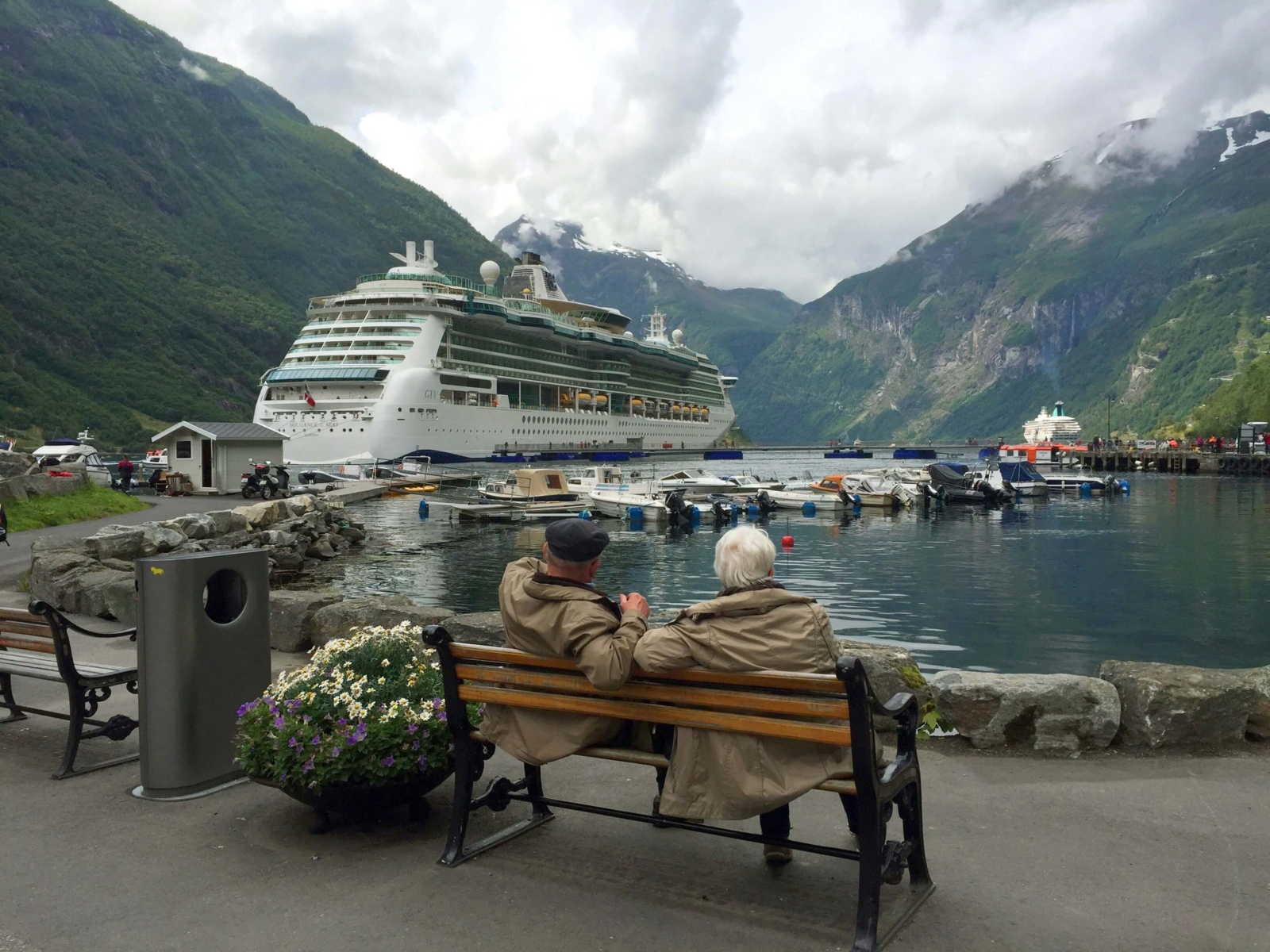
Single-trip vs annual multi-trip insurance: Which is better?
If you travel regularly, it’s worth considering whether annual multi-trip insurance could offer better value than purchasing separate policies for every holiday.
Single-trip insurance
This covers one specific trip, from your departure date until you return home. It’s a straightforward option if you’re only planning one holiday or have a longer trip that falls outside an annual policy’s duration limits.
Annual multi-trip insurance
This covers multiple trips within a 12-month period, subject to the policy conditions. Rather than arranging new cover every time you travel, you have one policy in place for the year. If you’re planning several holidays, weekend breaks or spontaneous city escapes, annual cover can work out more cost-effective.
Just check the maximum duration allowed for each trip, geographical restrictions and any exclusions. Other options include backpacker insurance for extended trips, family policies and dedicated winter sports cover.


How much does travel insurance cost?
The cost of travel insurance varies depending on your personal circumstances and the type of trip you’re planning.
Some of the biggest factors influencing the price include:
- Age: Premiums generally increase with age as insurers assess the likelihood of medical claims.
- Destination: Worldwide cover, particularly including the USA and Canada, can cost more than European cover.
- Trip duration: Longer holidays generally cost more to insure.
- Medical history: Pre-existing conditions can affect the price, depending on the condition and cover required.
- Activities: Additional protection for skiing, cruises and certain adventure activities can increase the premium.
- Level of cover: Higher medical, cancellation and baggage limits may result in a more expensive policy.
The important thing is to find cover that suits your circumstances. Saving a few pounds on your premium isn’t necessarily worthwhile if it leaves you underinsured.
How to save money on travel insurance
Getting the right cover doesn’t mean paying over the odds. There are several ways to keep costs reasonable without compromising on protection.
Compare multiple quotes. Don’t automatically accept the first price you’re offered. Comparing several insurers helps you understand the policies available and identify differences in cover.
Consider annual cover. If you’re planning multiple holidays over the next 12 months, compare the cost of annual multi-trip insurance against separate single-trip policies.
Buy your policy early. Arrange cover as soon as you’ve booked your holiday. This means cancellation protection can start earlier, subject to the policy terms, rather than waiting until your departure date.
Avoid unnecessary extras. Check which activities and additional benefits are relevant to your trip, but don’t remove important protection simply to reduce the premium.
Look for discount codes. Voucher and discount websites can be useful for finding promotional offers, but always check the conditions and make sure the code applies to the policy you’re buying.
Top tip: Some travel insurance providers like Staysure offer discount codes on their policies. Check out Discoup’s Staysure discount codes for extra money off a trusted insurance policy.

Frequently asked questions about travel insurance
When should I buy travel insurance?
Ideally, purchase travel insurance as soon as you’ve booked your holiday. Cancellation cover can begin from the policy’s start date, rather than your departure date, provided the reason for cancellation is covered. Leaving it until the day before you travel means you could miss out on valuable protection.
Does travel insurance cover cancelled flights?
It depends on the reason for cancellation and your policy terms. Airlines have separate responsibilities when flights are cancelled, including certain refund, rerouting and assistance obligations. Travel insurance may cover additional eligible losses in specific circumstances, but it won’t necessarily pay out for every cancelled flight.
Can I get travel insurance with a pre-existing medical condition?
Yes. Many insurers provide cover for people with pre-existing medical conditions, although you may need to complete medical screening and pay a higher premium. Always declare relevant conditions accurately and check that your policy provides the protection you need.
Is annual travel insurance worth it?
It’s a personal choice as it’s a case of risk. You will mostly likely take your trip and never need to claim for anything. However, if you feel the impact of something going wrong on holiday could be enough to impact your finances and cause any degree of stress, travel insurance is worth it it for your peace of mind alone.
Does travel insurance cover cruises?
Some travel insurance policies include cruise cover, while others require a specific cruise add-on or specialist policy. Additional benefits can include missed port departures, cabin confinement and unused excursions, depending on the policy. Always check that your insurer knows you’re taking a cruise.
What should I do if I need to make a travel insurance claim?
Contact your insurer as soon as possible, particularly if you need emergency medical assistance. Keep receipts, medical reports, police reports and other relevant documentation, as these may be needed to support your claim.
For lost or stolen belongings, report the incident to the relevant authorities or airline within the timeframe specified by your policy. It’s also worth saving your insurer’s emergency contact details before you travel.
Final thoughts
Travel insurance might not be the most glamorous part of planning a holiday, but it’s certainly one of the practical details worth getting right.
Whether you’re heading off on a European city break, planning a long-haul adventure or enjoying several holidays throughout the year, taking the time to understand your cover can make all the difference if the unexpected happens.
Compare policies, read the small print and make sure your insurance reflects the way you travel. A little preparation before you leave can give you one less thing to worry about once you’re there – leaving you free to concentrate on the much more exciting business of enjoying your trip.




Leave a comment