
36 Essential Australia Travel Tips: Smart Things to Know Before Flying

Travelista Editor Jessica Ruth Gibson shares her essential Australia travel tips and smart things to know before you make the same journey. After her recent trip from the UK to Australia, this is all her lessons and learnings rolled into one – and it’s worth its weight in gold!

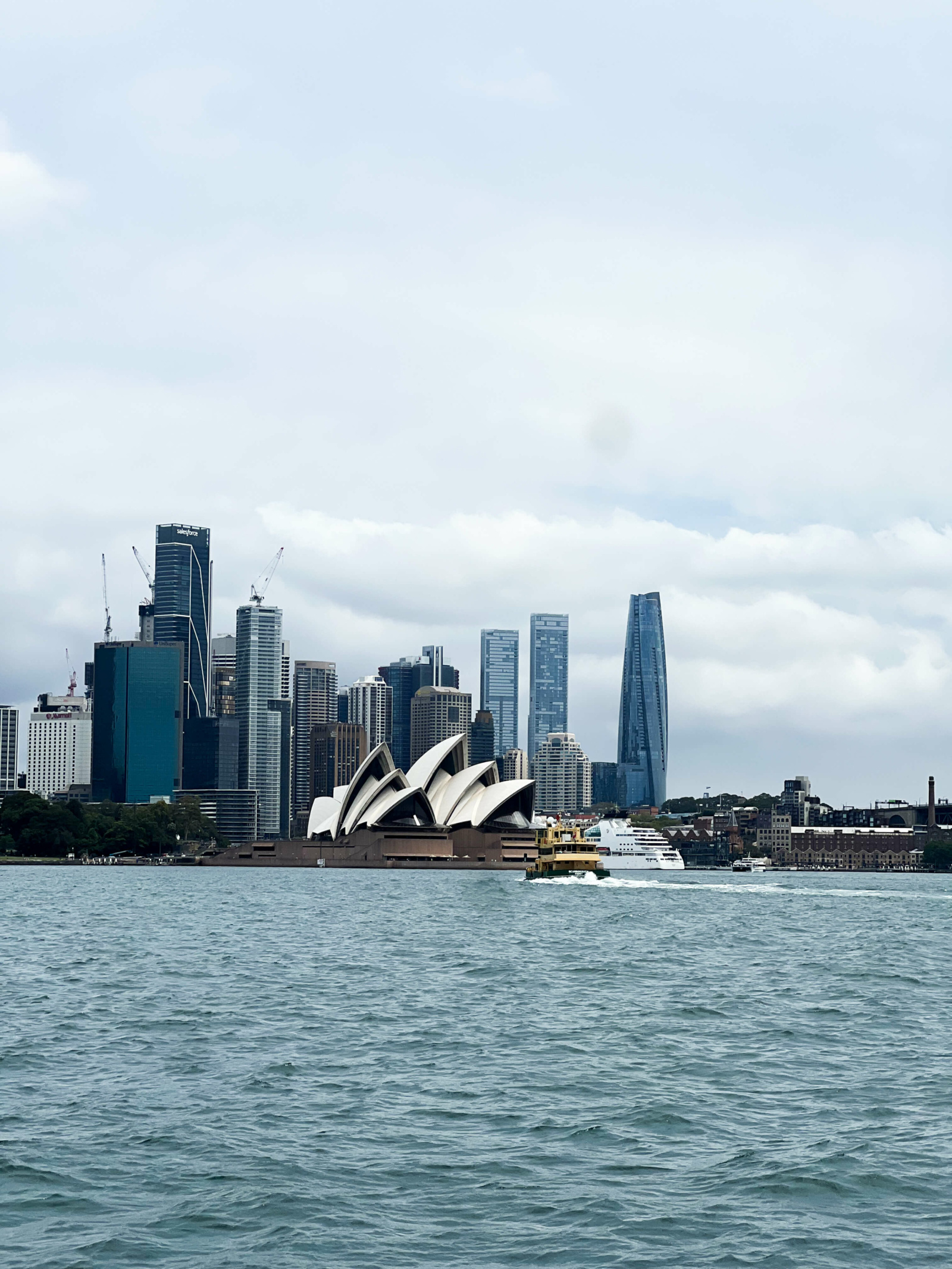
Averaging a total flight path time of 21 hours, the journey from the UK to Australia is one of the longest journeys you can make across the globe. Even for the most seasoned of traveller, the concept of travelling entirely to the other side of the world can feel daunting. If you are searching for Australia travel tips to best prepare yourself for not only the flight and journey, but also for what to expect on the ground, you’re in the right place.
I write this article for you in the UK, fresh off the plane from Australia after an incredible (and whirlwind) 8 day trip to Sydney and Kangaroo Valley. This was my first time in Australia, and I am passing on everything I learned from my own experience, as well as tips I picked up from others along the way.
From managing jet lag and packing the right in-flight essentials to sorting out practical details like visas and mobile data before departure, a few smart decisions can make your travels far smoother and a lot more comfortable.
I’ve organised my Australia travel tips into 5 main sub sections. Scroll through or jump to the section most relevant for you.
36 Essential Australia Travel Tips: Smart Things to Know Before Flying
Pre-departure – Australia Travel Tips
1. Consider 1-2 night layover in your connecting country, or at least allow a couple of hours between flights
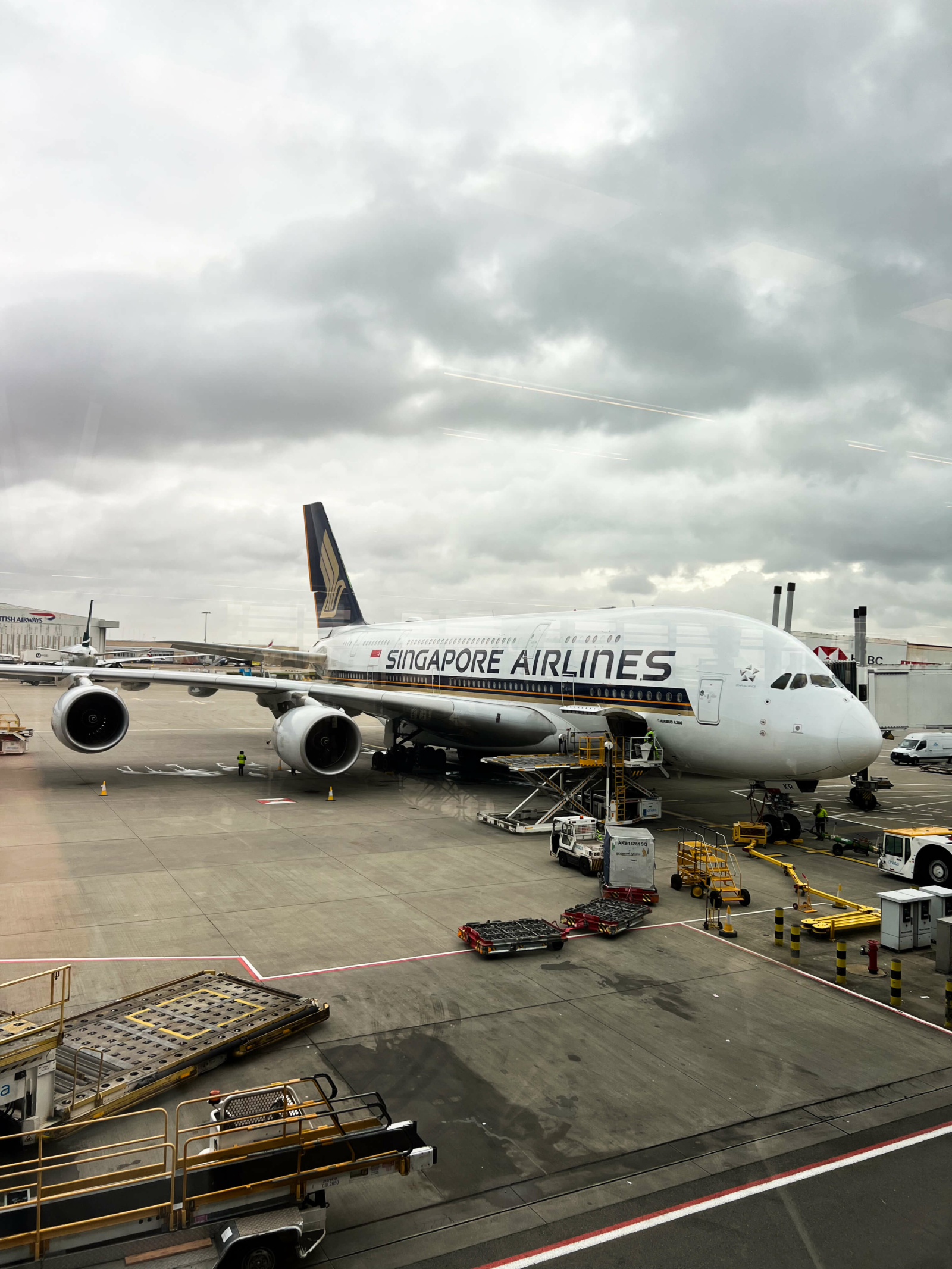
I am very much sharing this first tip from my own experience. When booking my flights to Sydney with Singapore Airlines, I tried my best to find the flights with the shortest possible connection in Singapore. Now having experienced two very long flights back-to-back, I really regret not giving myself any breathing space in between.
If you have the time, enjoy a layover in your connecting country, but if you’re tight on time or money and this isn’t an option, give yourself at least a couple of hours in the airport to decompress from the flight before. It’s easier on your body and will cause you less stress if you have a tight connection.
2. Purchase an eSIM and activate it when you land so you have instant data for maps, rides and messages.
Landing in a new country is always smoother when you’re connected from the moment you step off the plane. Setting up an eSIM in advance means you can navigate, book transport and message loved ones without relying on patchy airport Wi-Fi.
Before flying I ordered a 15 day Unlimited Australia eSIM from Sim Local (Get 5% off any Sim Local eSIM using code TRAVELISTA). The eSIM cost $53.25 / £39 and for this set price I had unlimited 4G and 5G for up to 15 days. It was so easy to set up (no need to physically change sim cards) and I could relax knowing there would be no surprise bills at the end of my trip.
3. Apply for your eVisitor or ETA visa before travelling
This Australia travel tip is very important. If you’re visiting from the UK, you’ll need to apply for an eVisitor visa (subclass 651) before departure. The good news is that it’s completely free and usually quick to process. It allows multiple visits to Australia over a 12-month period, with each stay lasting up to three months, making it ideal for most trips. Always apply via the official Australian Government Department of Home Affairs website to avoid unnecessary fees from third-party providers.
4. Download comfort shows, podcasts or films in advance for the flight
Long-haul flights are the perfect excuse to switch off, but having your own downloaded content is a game-changer. It guarantees you’ll always have something you actually want to watch, regardless of the in-flight entertainment options.
5. Order some melatonin tablets from an online pharmacy as an effective remedy for jet lag
Jet lag can be one of the toughest parts of travelling to Australia, so it’s worth having a plan in place. Many travellers find melatonin helpful for gently nudging their body clock into a new time zone.
6. Book car hire in advance if you plan to explore outside major cities
If you’re planning road trips or coastal drives, securing your car hire early often means better availability and pricing. It also gives you more flexibility to pick the right vehicle for your itinerary.
Compare costs for car hire in Australia
7. Check your passport validity – Australia requires it to be valid for the duration of your stay
It sounds obvious, but it’s always worth double-checking before a long-haul trip. Ideally make sure your passport is 6 months out from expiry when you travel. The last thing you want is any disruption at the airport over something easily avoidable.
8. Inform your bank or card provider you’ll be travelling abroad
A quick notification to your bank can prevent your card from being flagged for unusual activity. It’s a simple step that can save you from frustrating payment issues while you’re away.
9. Pack a reusable water bottle for the flight and airport
Staying hydrated is key on long flights, and having your own bottle makes it much easier. You can refill it after security and keep sipping throughout the journey. Cabin crew are also happy to keep refilling water bottles for you during your flight.
10. Start shifting your body clock before you travel using a jet lag or body clock app
If you have time before your trip, gradually adjusting your sleep and wake times can make a noticeable difference on arrival. Apps like Timeshifter give tailored recommendations, helping you minimise jet lag so you can hit the ground running. This is especially worthwhile if (like me) you’re only going to be in Australia for a week or two.
During the Flight – Australia Travel Tips
11. Set your watch or phone to Australian time once you board and try to adjust sleep accordingly
One of the easiest ways to start tackling jet lag is to shift your mindset early. Forget your origin time as soon as you board the plane, and begin to think about your destination time instead. This help you work out whether to try to stay awake, or try to sleep. Syncing your devices to your destination time also helps you mentally settle into the new schedule before you even land.
12. Wear compression socks to support circulation on long flights
On ultra-long-haul journeys, comfort really matters. Compression socks can help reduce swelling and keep your legs feeling fresher throughout the flight. I’ve never had a problem with swelling before on any flight I have taken, until I flew to Australia. My socks began to feel tight above my ankle so next time I’d pack some proper compression socks.
13. Move around regularly and stretch every couple of hours
Sitting still for extended periods can leave you feeling stiff and sluggish. A quick walk up the aisle or a few gentle stretches can make a noticeable difference.
14. Don’t hesitate to ask the crew for extra snacks or water between meal services
Even in Economy, snacks were freely available at any time of the long flight to Australia. A snack basket was available in the crew area at all times and the Singapore Airlines staff were happy to provide further drinks outside of the service windows. Staying hydrated and keeping your energy up can make the journey feel much more manageable.
Find the cheapest flights to Australia
15. Use eye drops to combat dry cabin air
Similarly to the leg swelling, dry eyes are never usually a problem for me on flights, but I found that flying from the UK to Australia really does push your body that one step further. Plane cabins are notoriously dry, which can leave your eyes feeling tired and irritated. A small bottle of eye drops would be a smart addition to your hand luggage toiletries.
16. Remove makeup and regularly apply moisturiser to keep skin hydrated
A simple skincare reset mid-flight can help you feel far more refreshed on arrival. I personally like to travel with no make up, but if you’re wearing any, take it off during the flight and give yourself a good layer of serum or moisturiser, and continue to do so throughout the flight. Hydrating your skin properly also helps combat the drying effects of the cabin environment.
17. Bring an eye mask and neck pillow for better sleep
Creating a comfortable sleep setup makes a huge difference when you’re trying to rest in the air, which is often needed at times when the cabin lights go on. Small additions like an eye mask and a supportive pillow can a really game changer for achieving stretches of good, deep sleep.
18. Pack a small flight essentials kit in your carry-on
Having your essentials within easy reach keeps everything feeling organised and stress-free. It also means you can freshen up and recharge both yourself and your devices whenever you need. Include essentials such as lip balm, eye drops, tooth paste, tooth brush, phone charger, headphones and power bank).
19. Keep a pen handy to complete arrival forms
Everyone landing in Australia must complete an arrivals declaration which cabin crew will hand out towards the end of your second flight. It’s one of those simple things that’s easy to forget but always useful. Having your own pen saves time and avoids having to search for one mid-flight.
Upon Landing
20. Consider taking melatonin in the evening if you’re trying to adjust quickly to local time
Melatonin is a natural hormone that helps regulate your body clock, signalling when it’s time to sleep – which is why it is often used as an effective jet lag remedy. My sister was smart enough to bring some melatonin tablets on our trip, which she kindly shared with me on the trip. Melatonin tablets can be bought in various different online pharmacies. After completing a health questionnaire, you should be able to access these freely and without prescription or seeing a doctor. Taking melatonin in the evening during your time in Australia can help your body to sleep. They really helped me.
21. Avoid checking the time in your home / departure country
Constantly comparing time zones only makes the adjustment harder. Fully committing to local time helps your body adapt much more quickly.
22. Take day one slowly and avoid scheduling tours or busy plans
After such a long journey, it’s worth giving yourself a gentle start. It’s hard to know exactly how you’ll feel on that first full day and when waves of tiredness might hit. Keeping your first day relaxed allows you to settle in and enjoy your surroundings without feeling overwhelmed.
After your first day on the ground, check out GetYourGuide to book local tours, tickets and exciting, unique experiences for your time in Australia. We used this site to book our experiences and if you’re also heading to Sydney I can really recommend;
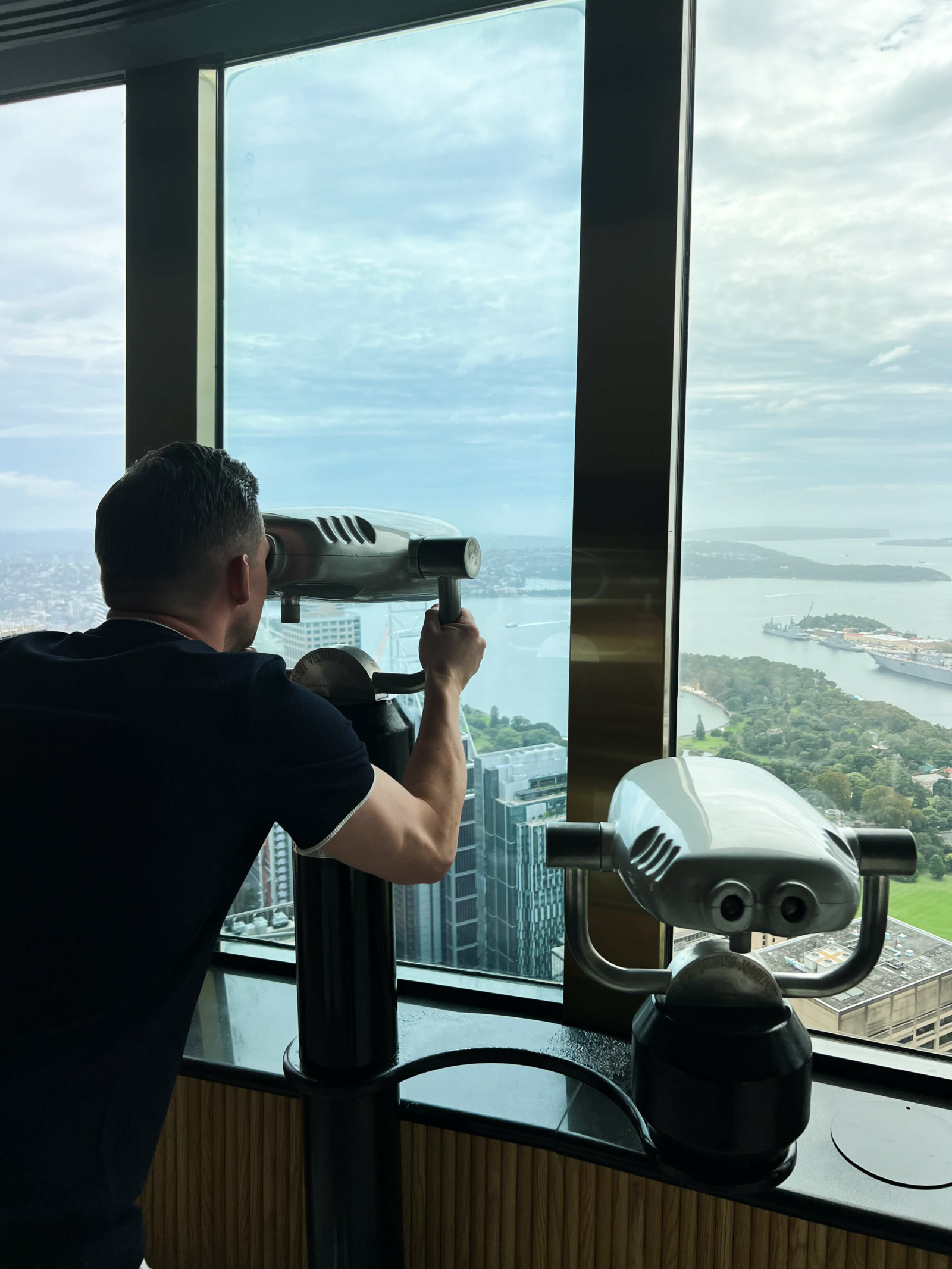
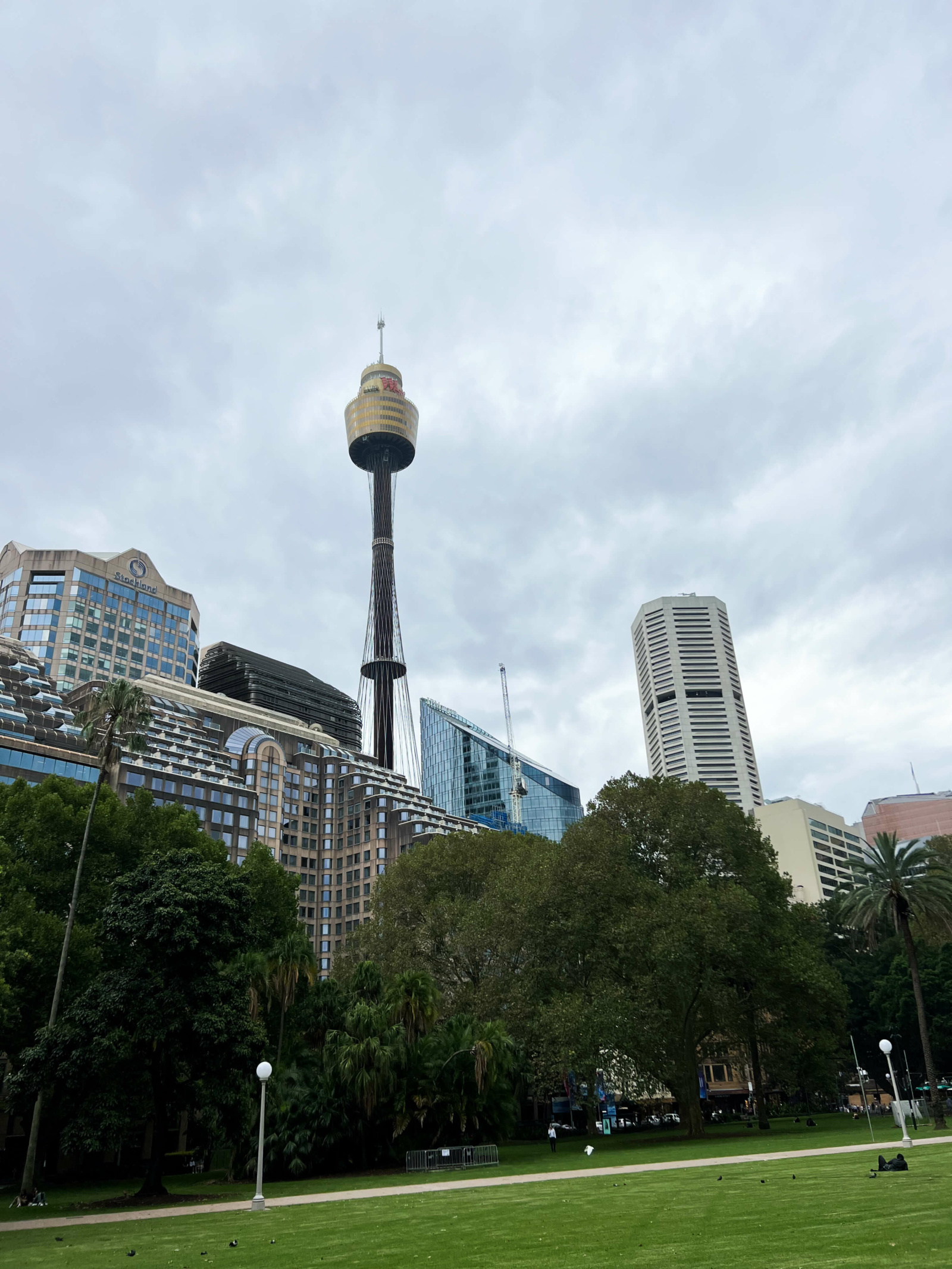
- Sydney Tower Eye Experience – the highest viewing platform over Sydney with spectacular views
- Sydney Harbour Boat Tour – this is an amazing activity to do in the first few days to give you a true sense of place in Sydney
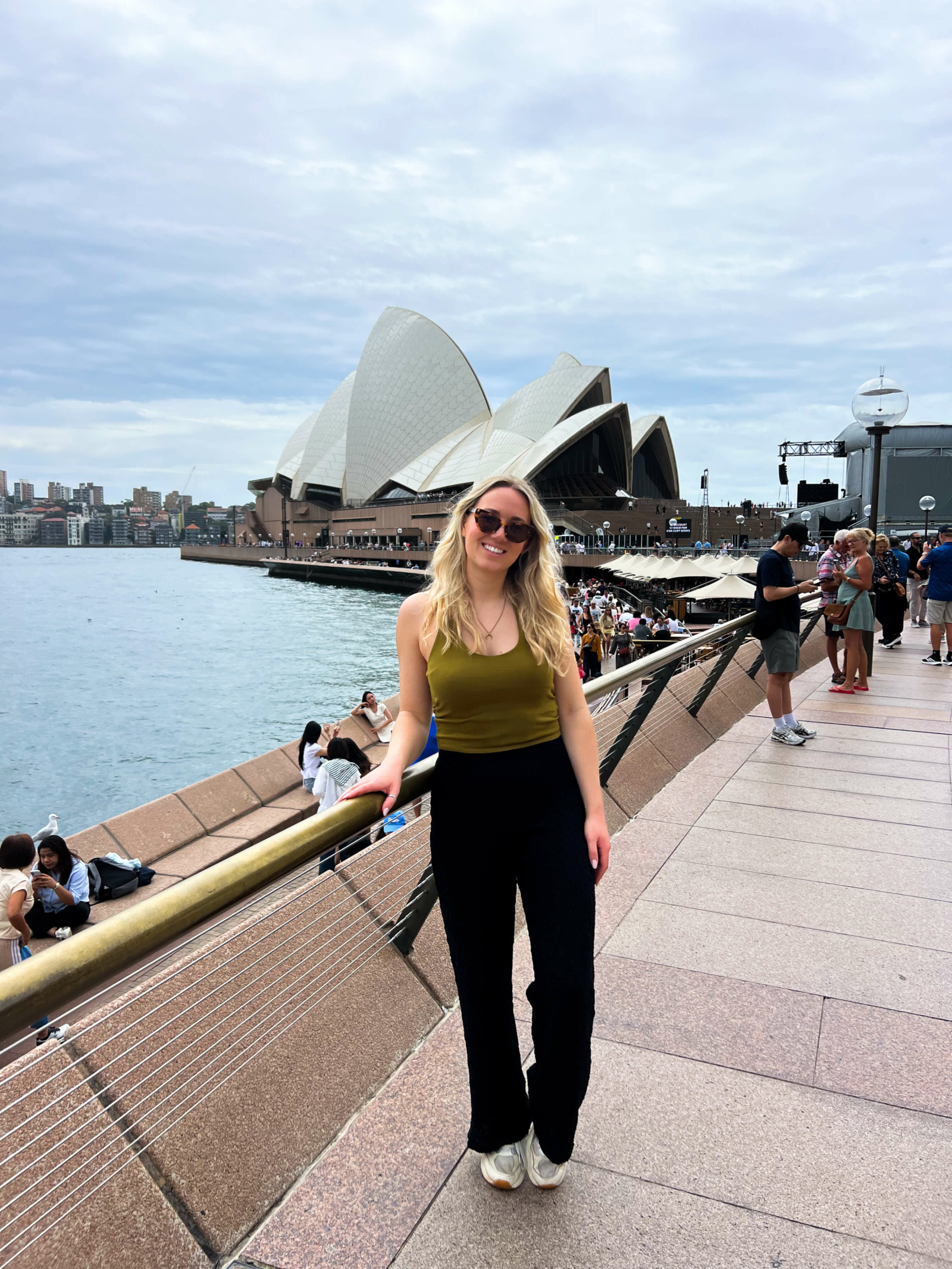
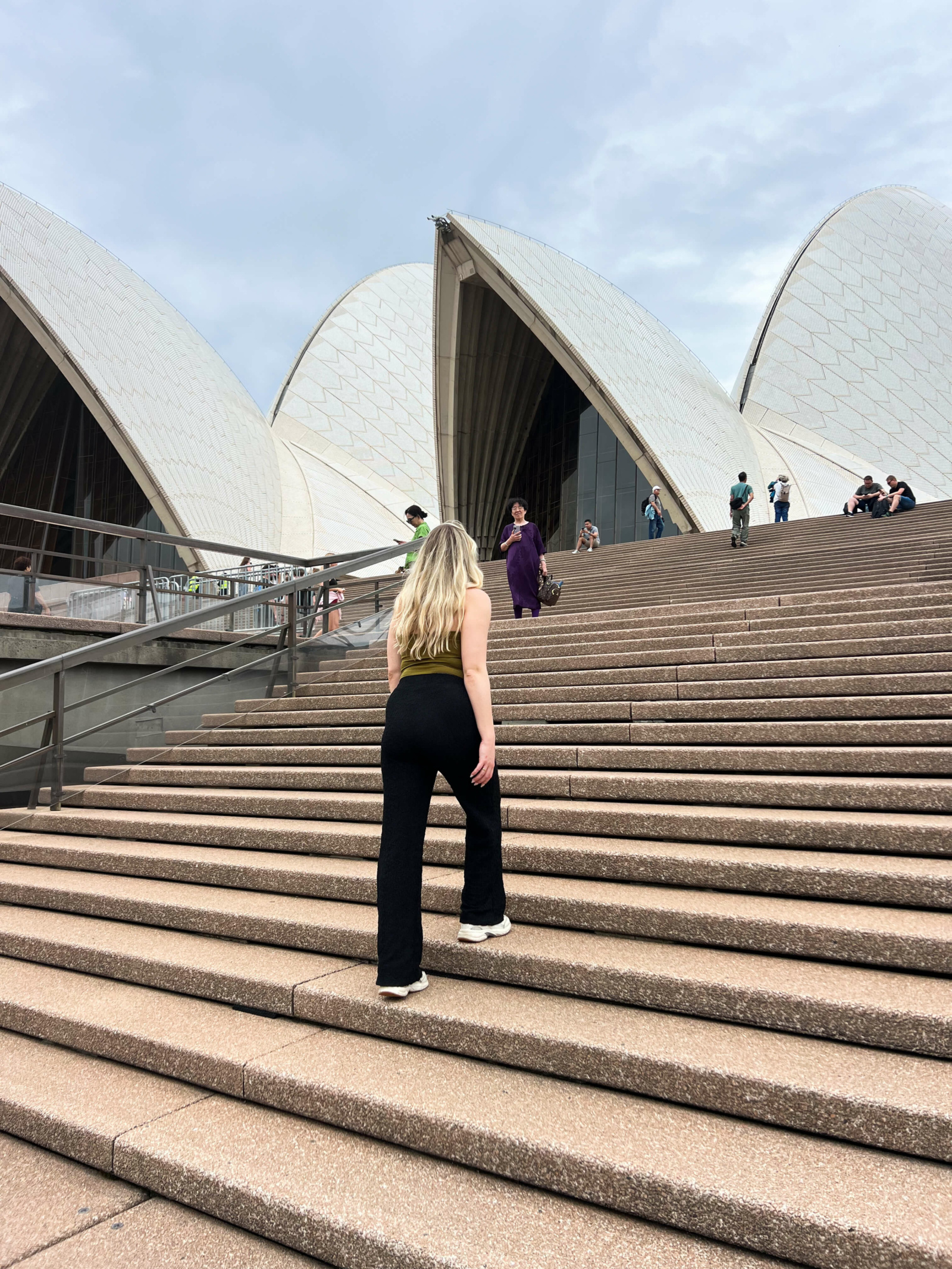
- Tickets for tours and performances at The Sydney Opera House – we didn’t have time for the tour but booked to see Gatsby which was excellent
- A special dinner at Aria Restaurant – overlooking the Sydney Opera House and Harbour Bridge. The food, service and views are excellent. Pre booking is essential.

23. Try to avoid long naps on Days 1 and 2
While it’s tempting to sleep as soon as you arrive, long naps can throw off your sleep schedule. A short rest is fine, but aim to stay awake until evening if you can. If you really need to sleep, try to limit them for only one hour or less. You’ll be glad you did in the long run.
24. Spend time outdoors in daylight to help your body clock reset
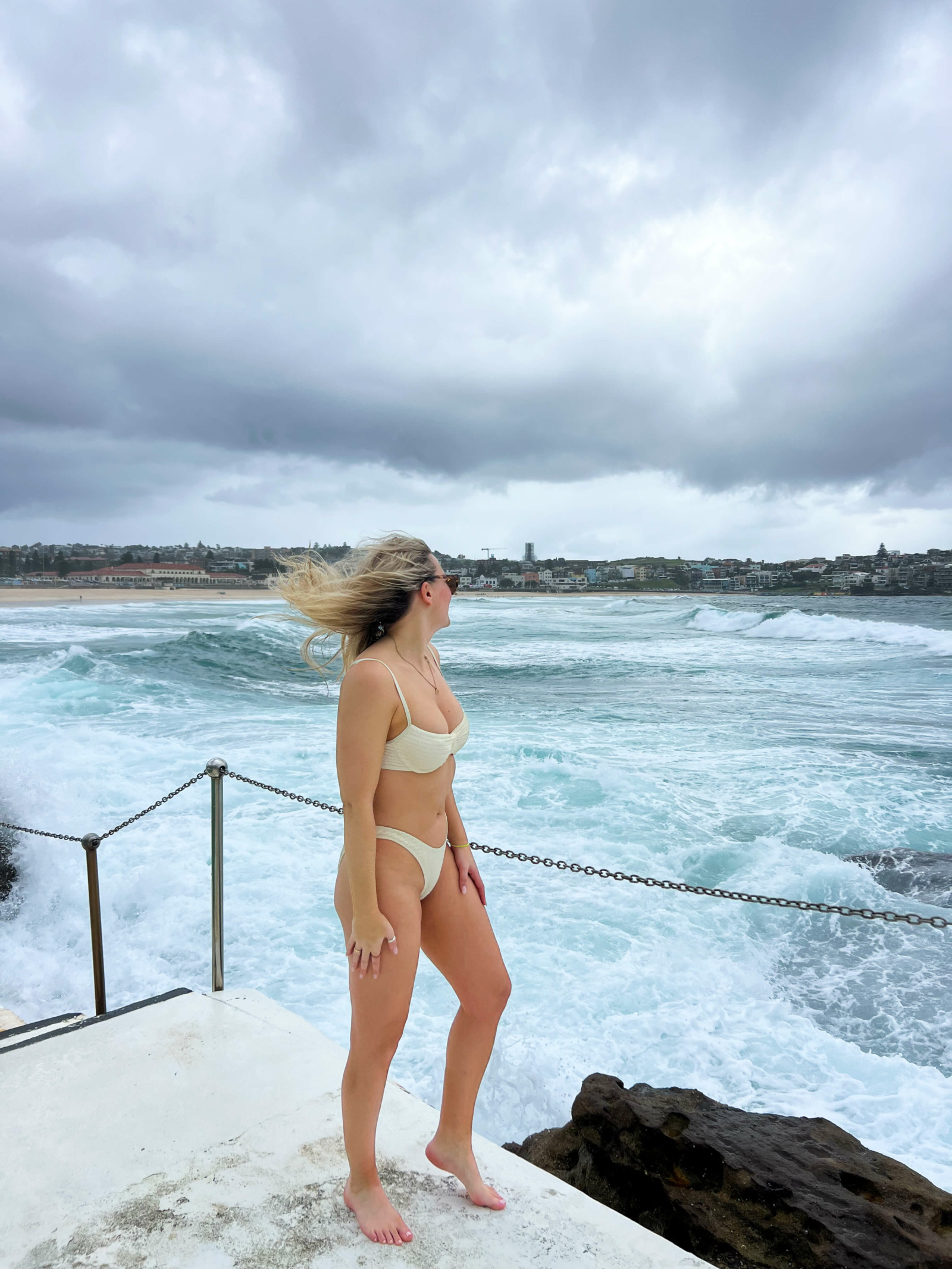
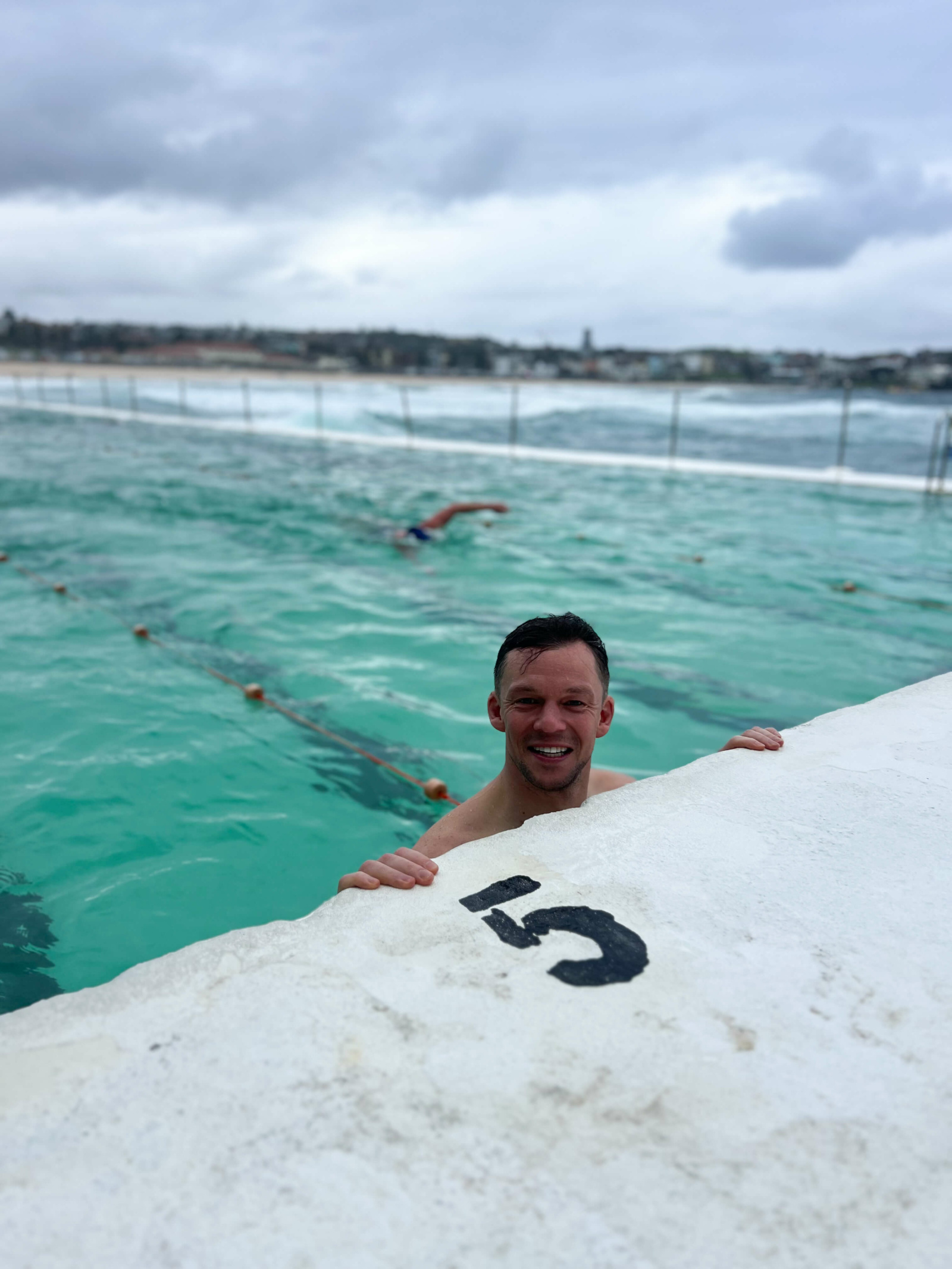
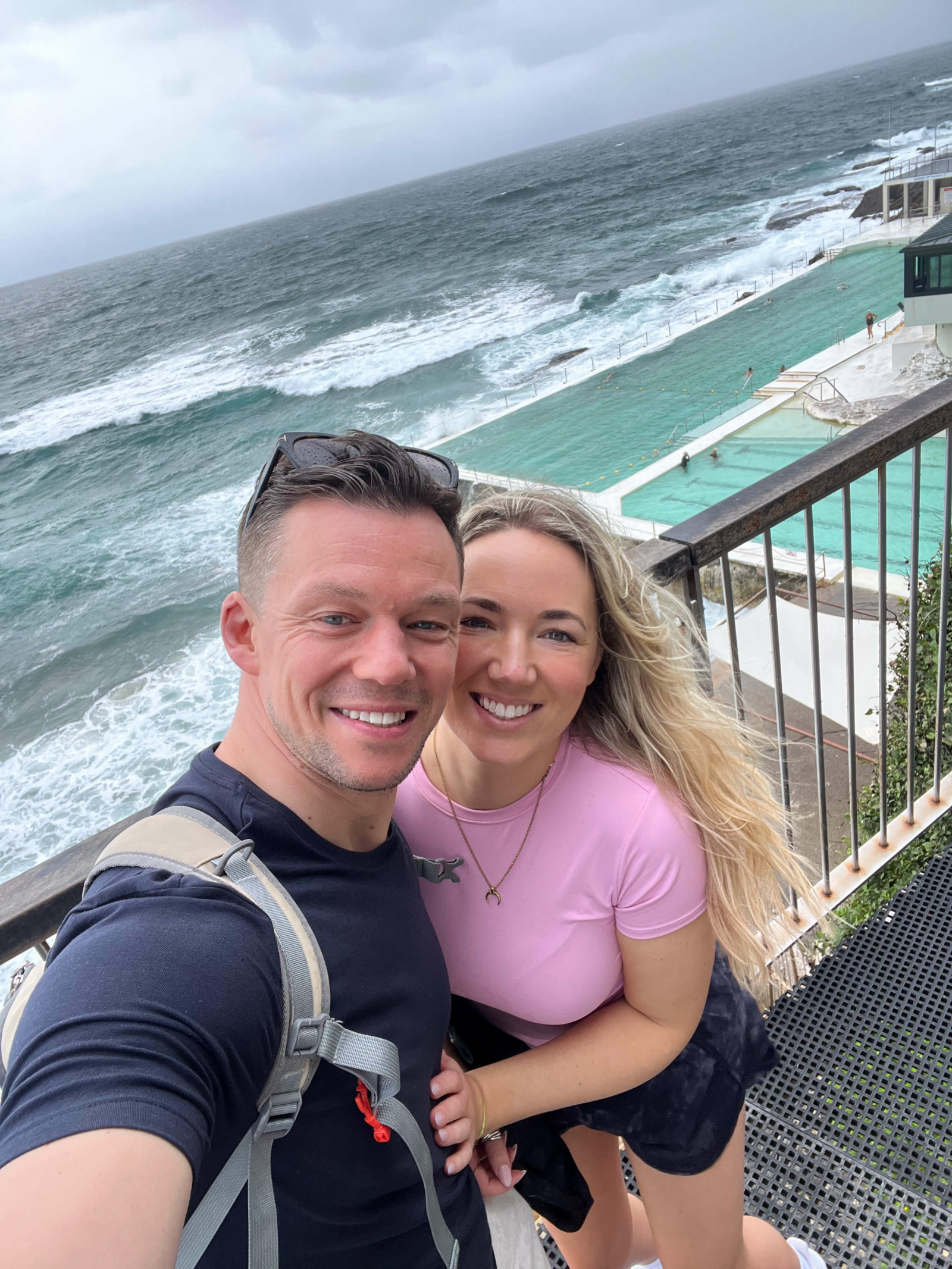
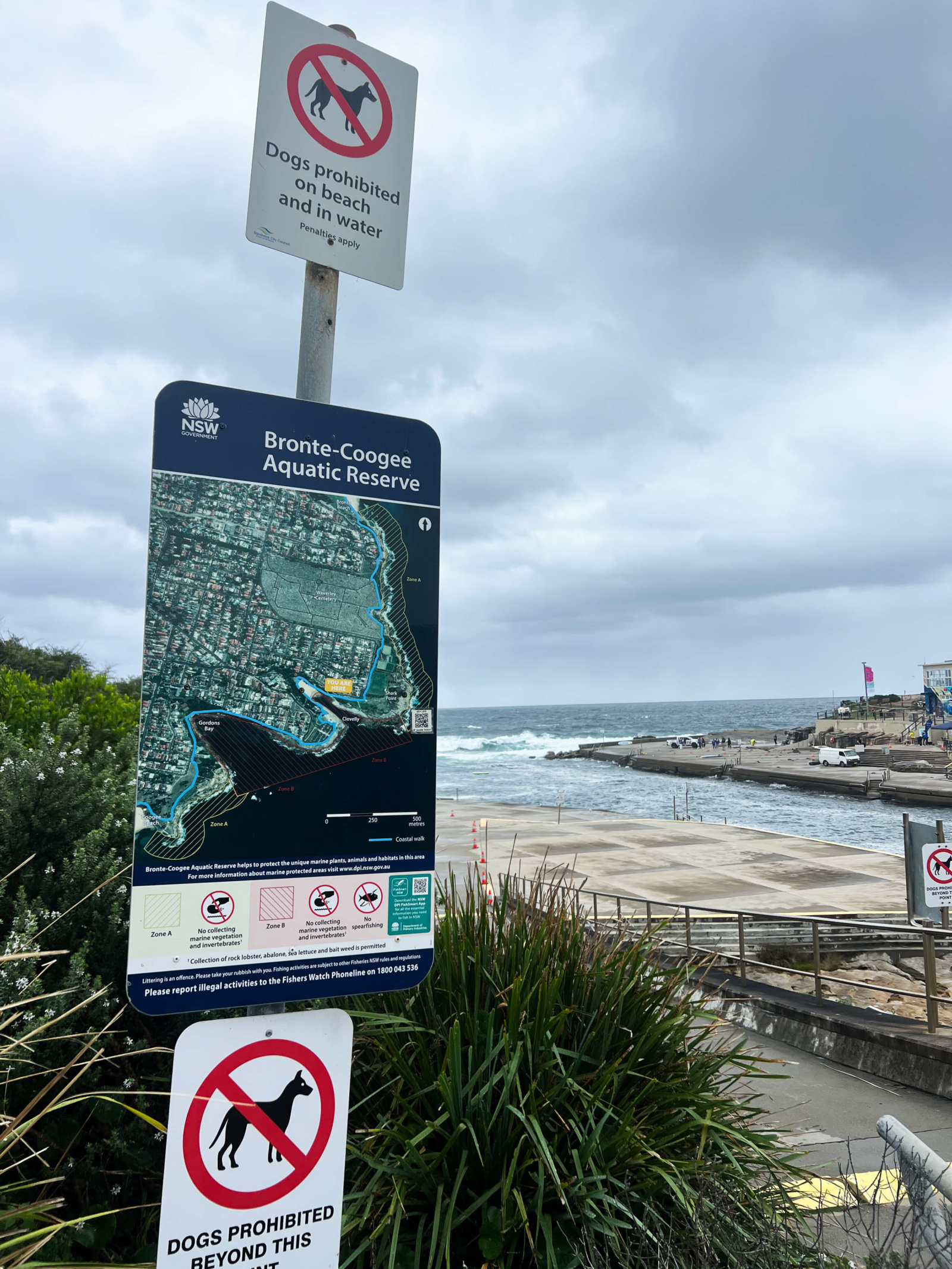
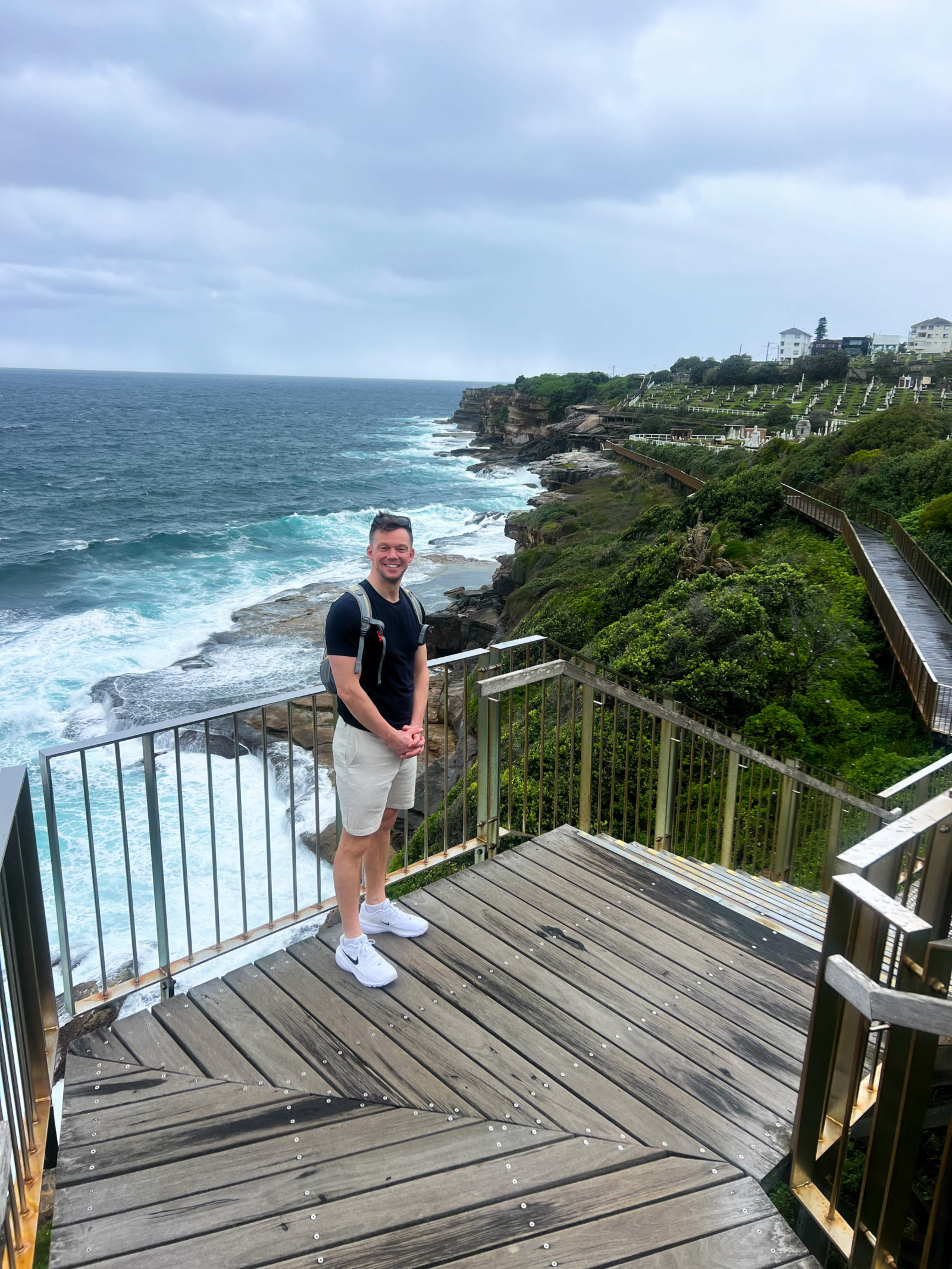
Natural light is one of the most effective ways to adjust your internal clock and circadian rhythm. Even a simple walk outside can help you feel more awake and aligned with the local time. As we adjusted our body clocks in Sydney, we did the Bondi to Coogee Coastal Path which is a stunning 6km route that will really refresh any jet lagged bodies. It’s an entirely free and incredibly memorable activity which you can take at your own pace.
25. Be sure to declare anything you’re bringing into the country, as Australia has strict biosecurity rules
Australia takes its biosecurity extremely seriously, particularly when it comes to food, plant materials and animal products. If you’re unsure about anything, it’s always best to declare it on your arrival form and answer honestly – it’s a straightforward process and far better than risking a fine.
I had to declare a wooden chopping board at security as I was bringing it in as a wedding gift for my sister. The biosecurity staff said it was no problem to bring in, but I did the right thing to declare it as a ‘wooden article’.
26. Uber and Uber Eats are widely available, making airport transfers and food delivery easy
Getting around is generally straightforward, especially in major cities. Apps like Uber make arrivals and late-night journeys particularly convenient. Upon landing in Sydney, we ordered an Uber to the airport in the designated Uber area, and then ordered an Uber Eats upon arriving at our hotel (as all the restaurants near the hotel had closed).
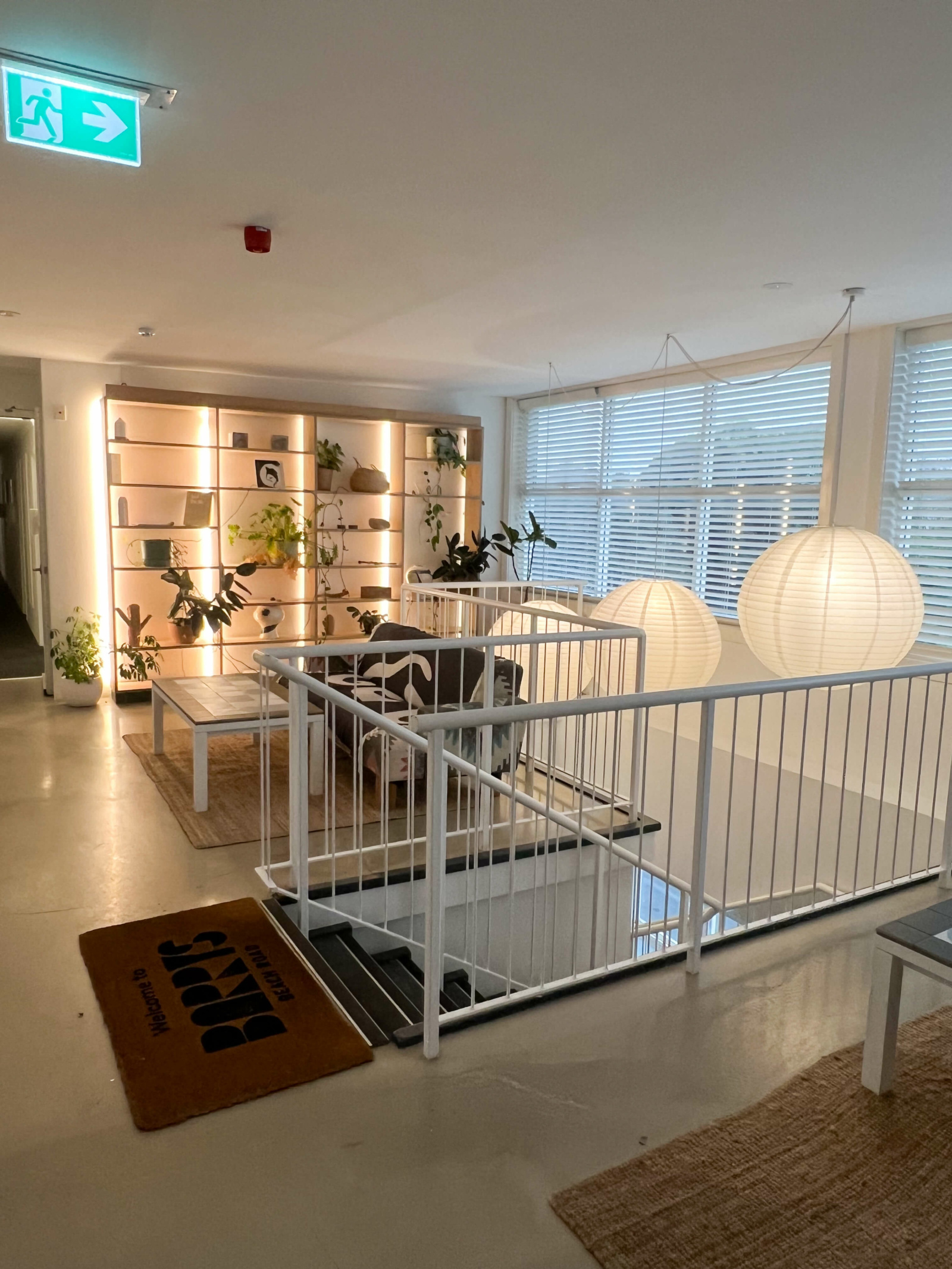
We stayed for 3 nights at Barry’s Beach Road Hotel in Bondi which was a brilliant, stylish and affordable hotel with a great location around 8 minutes walk to Bondi Beach. Barry’s is a fantastic option for anyone wanting to stay in Bondi Beach during their time in Australia.
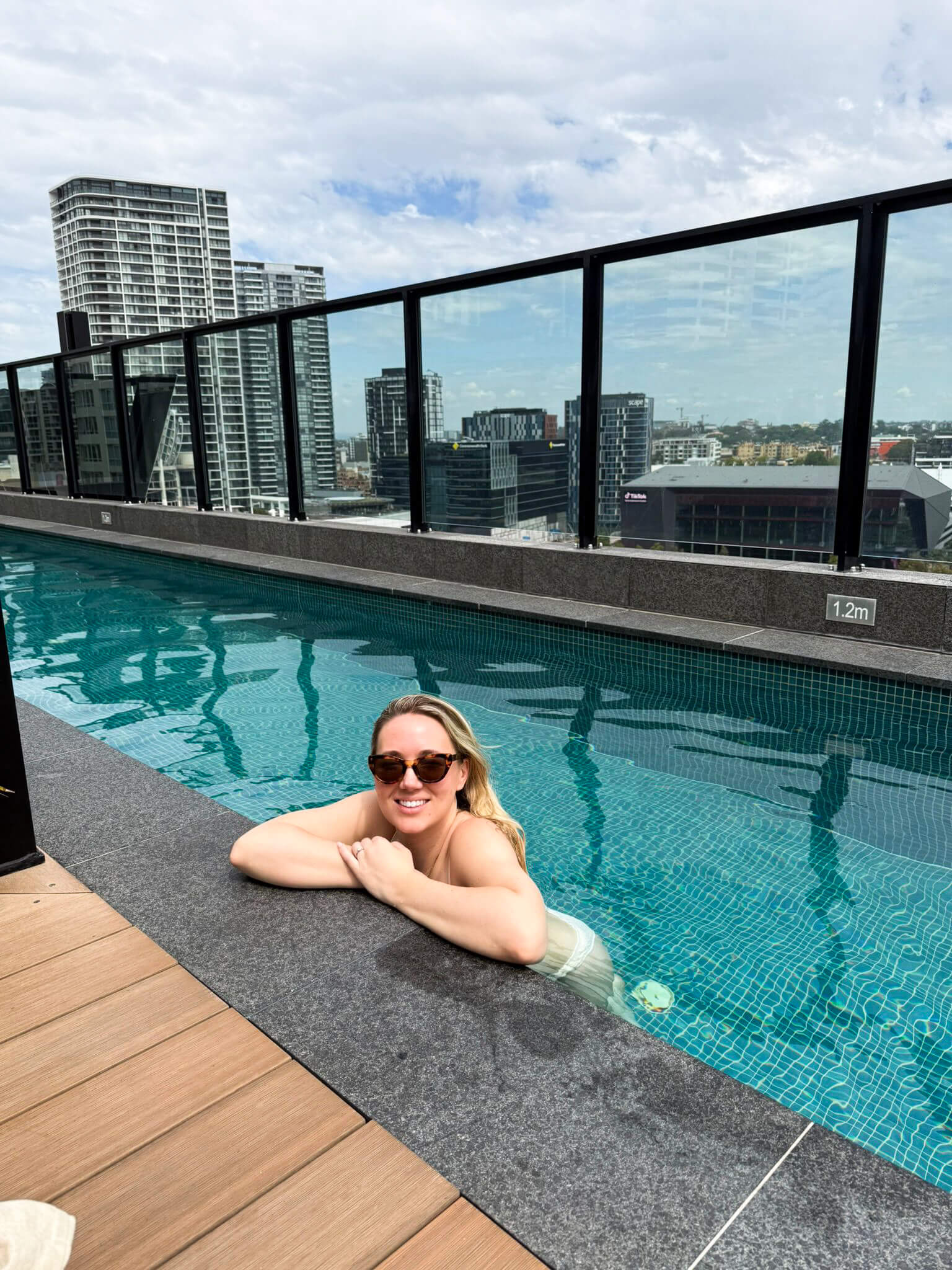
We also stayed 2 nights at The Vibe Hotel Darling Harbour in central Sydney which is a cool 4* design hotel with a rooftop pool and a great location in the Central Business District, in walking distance to the harbour and all the sights.
During Your Time in Australia
27. Buses, trams and trains are efficient and affordable in most major cities
Australia’s public transport systems are easy to navigate and well-connected. They’re often the simplest way to explore cities without needing a car. Sydney also has plenty of Lime Bikes everywhere which is another popular mode of transport. I was impressed that Lime Bikes in Australia come with a helmet too.
28. Use a travel card or app-based bank to track spending and currency conversions
Keeping an eye on your spending is much easier with modern banking apps. They also take the guesswork out of exchange rates, helping you stay on budget.
29. Tap water is safe and drinkable across Australia
There’s no need to rely on bottled water during your trip. Bringing a reusable bottle makes it easy to stay hydrated wherever you go. You’ll also find that bottles of water are sat waiting on the tables of restaurants and cafes as a default. It’s lovely to have it there readily available without having to ask.
30. Australia’s coffee culture is second to none
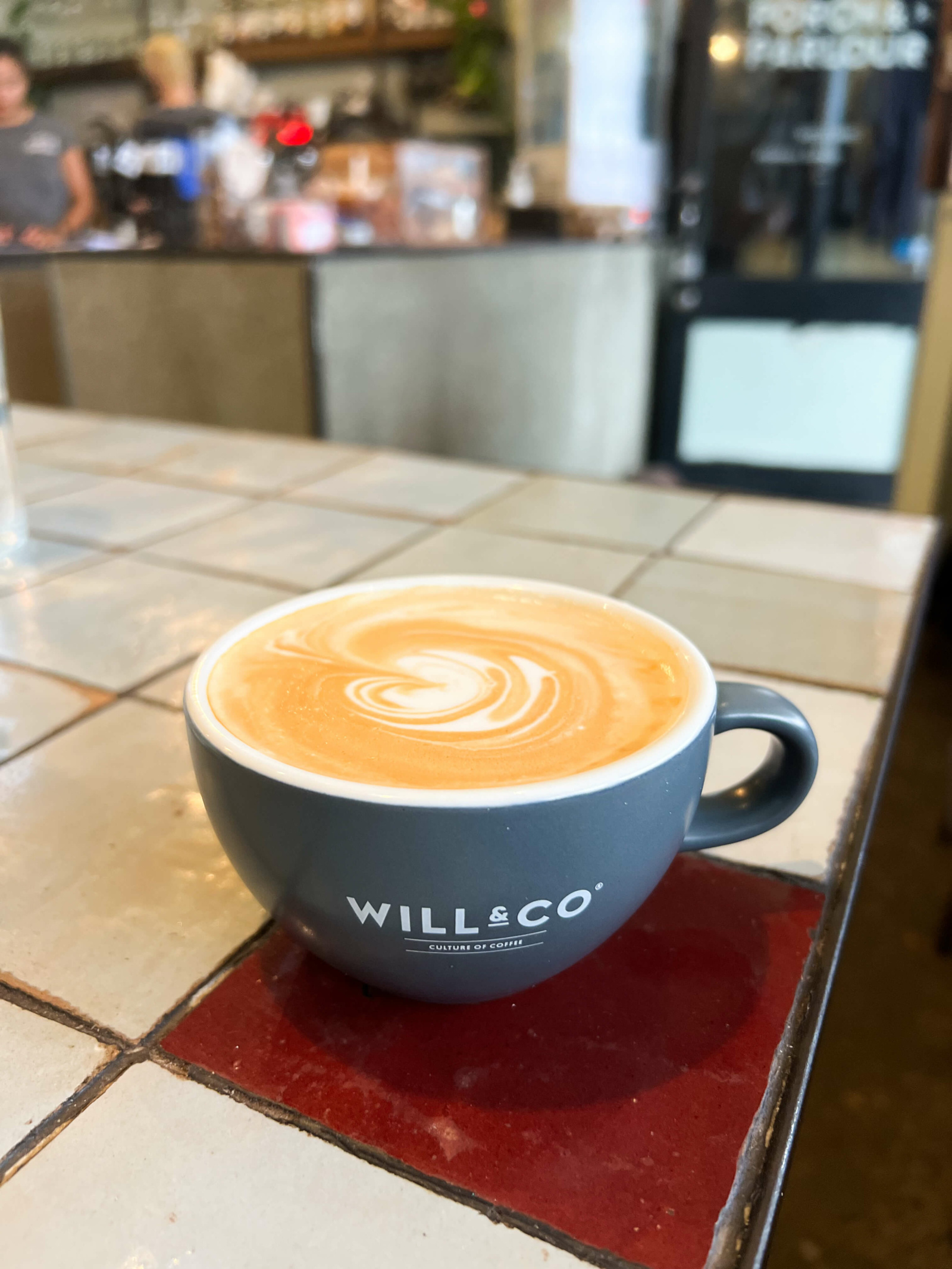
Coffee here is more than just a morning ritual; it’s part of the lifestyle. The Aussie flat white is a thing of beauty and the go-to order for locals. Order this and you’ll fit right in. You’ll quickly notice the quality of the coffee, especially in the likes of Sydney and Melbourne. You’ll also notice that coffee shops close much earlier in Australia than in the UK, with most of them closing by 2 or 3pm. Australians are early risers and would rarely drink caffeine after this point in the day, so there is very little demand after this time.
31. Brunch culture is huge, especially in cities like Sydney and Melbourne
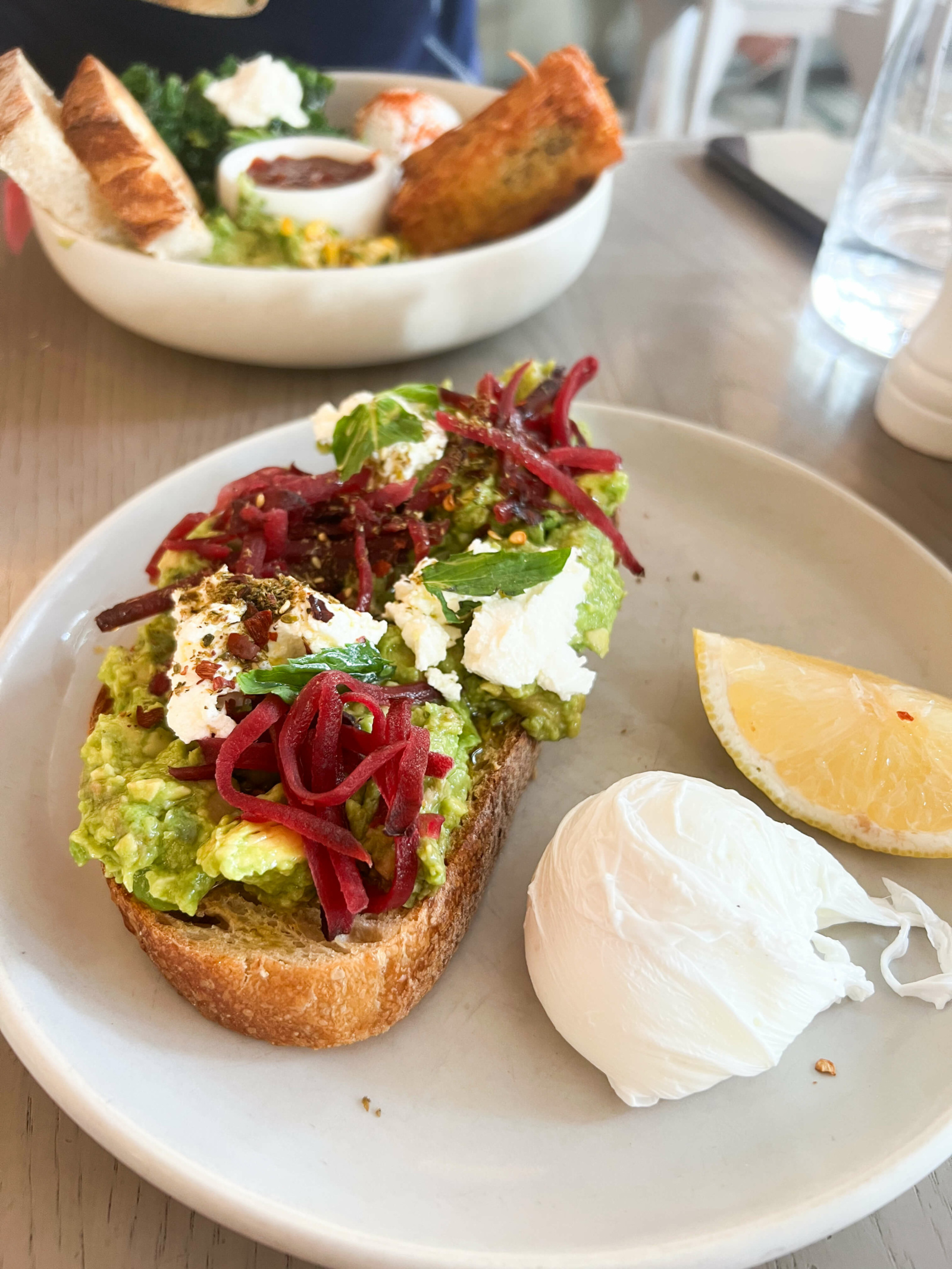
Long, chilled out brunches are practically a way of life, with beautifully curated menus, stunning dishes and relaxed atmospheres. Be sure to try the variations of Avo Toast and the famous Australian Acaii bowls.
If you’re staying in or near Bondi, you 100% need to make a trip to Blackwood for brunch for the perfect and quintessential Aussie brunch. You won’t regret it.


32. Sunscreen is essential – the Australian sun is strong even on cooler days
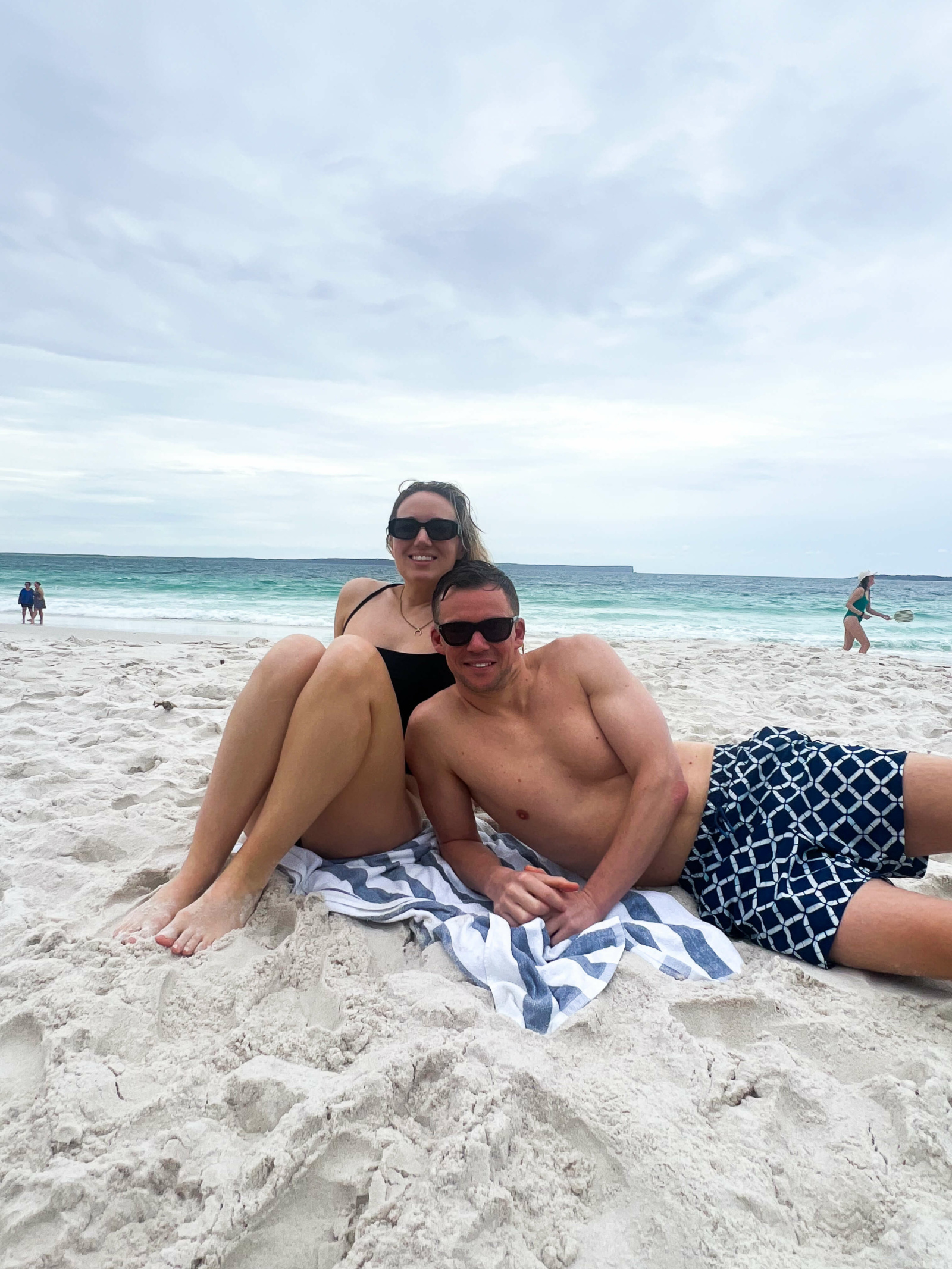
This Australia travel tip is super important and could really save you a lot of discomfort. The sun’s UV rays in Australia is scientifically proven to be more intense than in many other parts of the world. Daily SPF is a non-negotiable and you’ll notice shops don’t sell anything under factor 50. Even on a really cloudy day you can burn in Australia, so don’t ever be fooled by the weather. Stock up on your factor 50 and use a facial SPF every morning. before you leave your hotel to protect your skin.
33. Distances between destinations can be much larger than they appear on a map
Australia is vast, and travel times can be deceiving. It’s always worth planning journeys carefully and allowing more time than you might initially expect.

Coming Home – Australia Travel Tips
34. ‘West is Best’ – Many travellers find the return trip easier for jet lag
Heading home often feels less disruptive to your body clock. The adjustment tends to be quicker, making the return journey a little more manageable. I definitely found this to be the case, which fits with the ‘west is best’ theory.
35. A couple of early nights back home can help you reset quickly
Giving yourself time to properly rest once you’re back makes all the difference. A few quiet evenings can help you ease back into your usual routine.
36. Try to stay awake until evening on your first day back to readjust faster
It can be tempting to nap, but pushing through until bedtime helps your body recalibrate. Even if it’s a struggle, it’s one of the quickest ways to beat jet lag. I pushed through on the first day after landing back in the UK and I was totally exhausted, but then this really helped me have a quick reset back onto UK time.
I hope these Australia travel tips come in handy for your upcoming journey down under. Australia is a magnificent country that I cannot wait to return to and explore more of. Flying to Australia is an exciting experience and a huge privilege for anyone. Happy travels!
Read more Australia travel tips: Essential things to know before moving to Australia



Leave a comment