
Travel Trends: How Ras Al Khaimah Is Redefining Travel and Tourism in the UAE in 2026
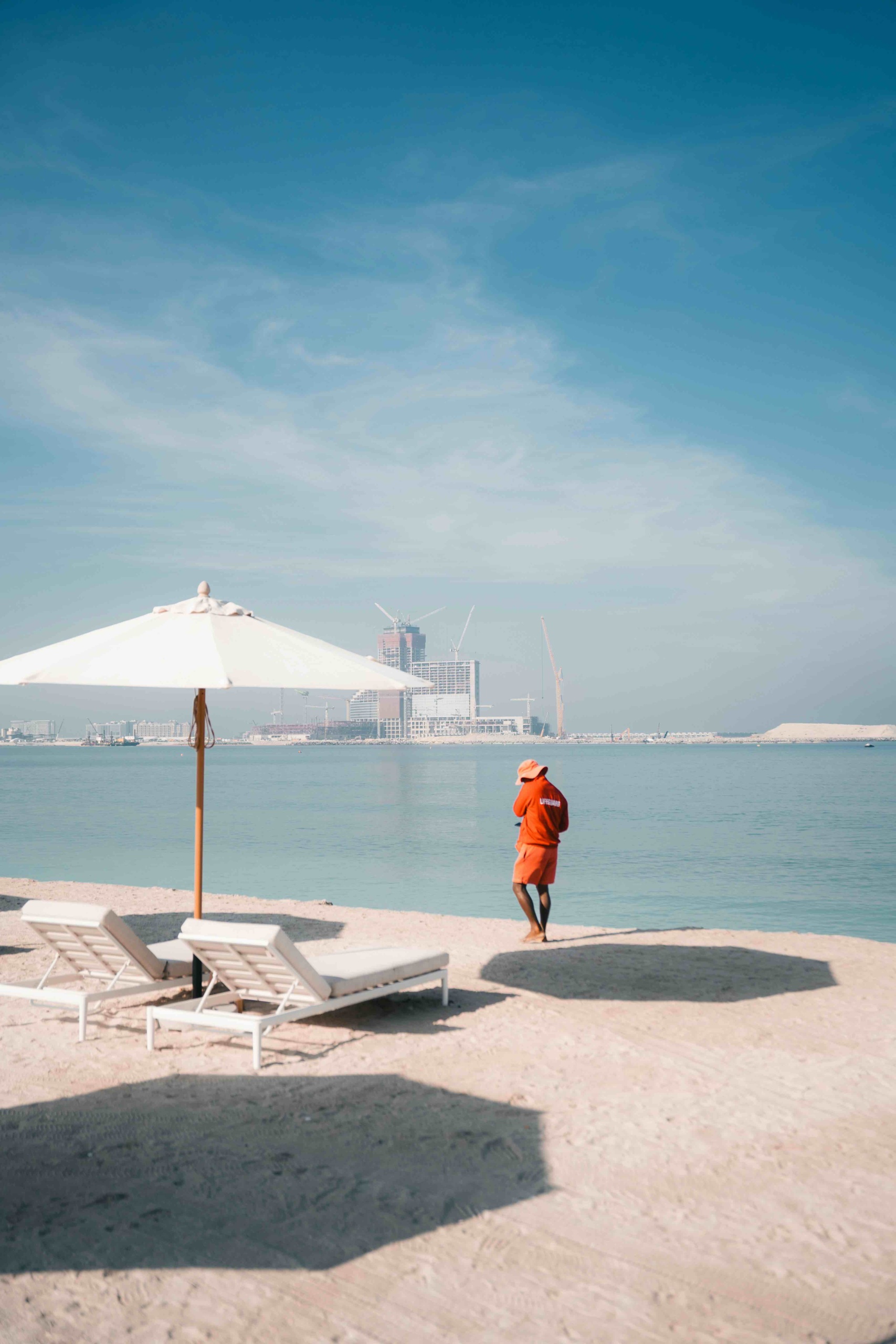
Travelista Editor Jessica Ruth Gibson explores why this quieter Emirate is emerging as a luxury travel destination for 2026 – and what’s on the horizon for Ras Al Khaimah.
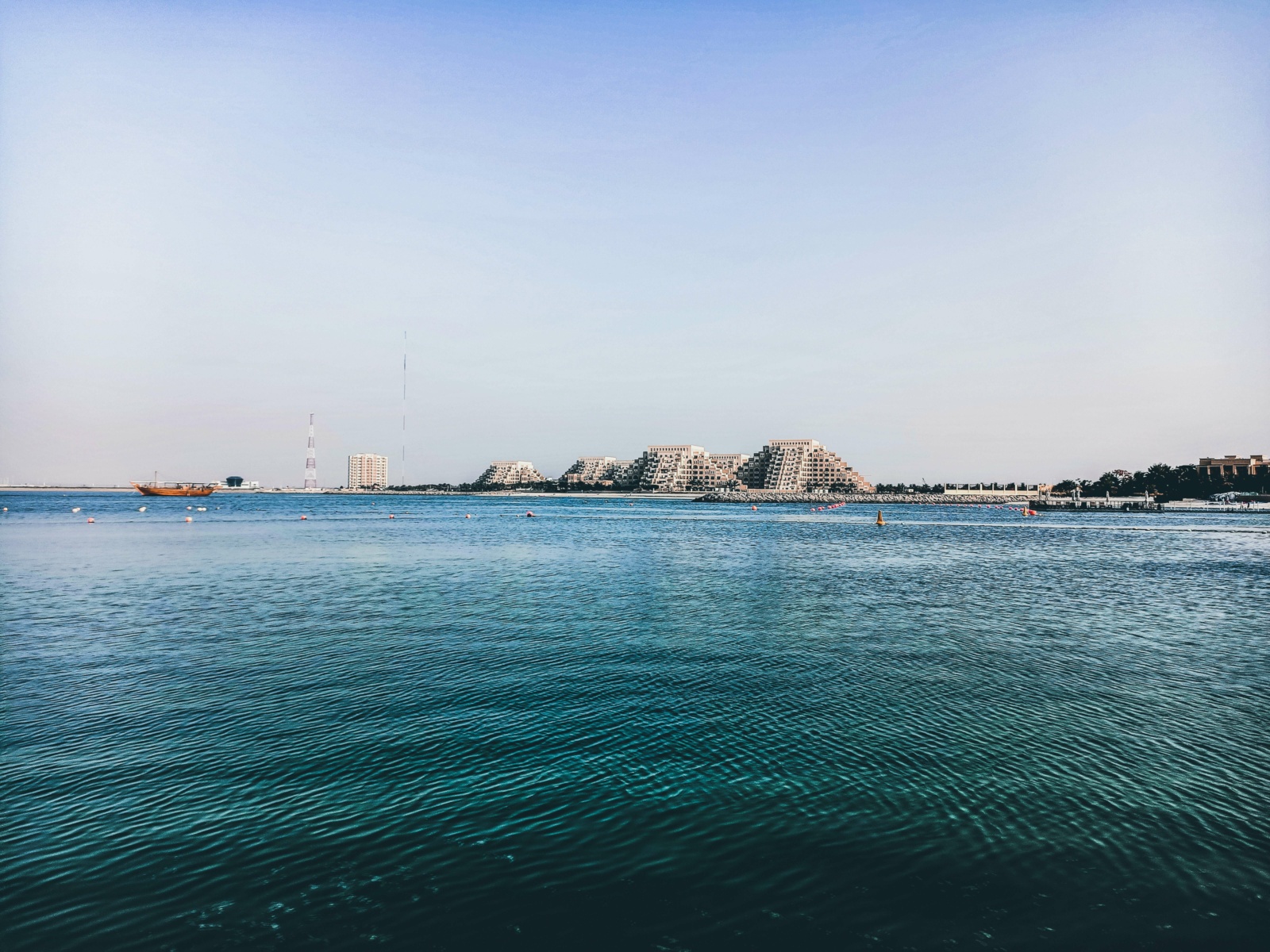
Introducing Ras Al Khaimah
Often referred to as the UAE’s ‘Nature Emirate’, Ras Al Khaimah has been lingering on my travel wish list for a couple of years now. After meeting with the Ras Al Khaimah Tourism Development Authority at World Travel Market in London this year, it quickly moved from curiosity to concrete plans – with a 2026 visit firmly on my horizon.
In 2026, Ras Al Khaimah will welcome a flurry of new resort openings from globally recognised names including Wynn, Nobu, Four Seasons and Rixos. This reinforces the Emirates direction towards integrated, experience-rich hospitality rather than standalone hotels.
While Dubai continues to dominate headlines and Abu Dhabi builds on its cultural heavyweight status, Ras Al Khaimah is carving out a different narrative – one that feels calmer, more nature-led, and increasingly aligned with the future of high-end travel. Let’s dig a little deeper into why RAK is emerging as one of the UAE’s most compelling destinations to watch.
New for 2026: The Rise of Integrated Resorts
Luxury travel is evolving. Today’s high-end traveller is no longer satisfied with simply checking into a beautiful hotel; they’re seeking destinations that offer depth, diversity and seamless experiences in one place. This is where integrated resorts come in; developments that combine accommodation, dining, wellness, entertainment and nature-led experiences within a single, thoughtfully designed eco-system.
Ras Al Khaimah is leaning firmly into this model. Rather than attempting to replicate Dubai’s scale or Abu Dhabi’s cultural institutions, RAK’s approach feels more curated and considered. Resorts are being positioned not just as places to stay, but as gateways into the emirate’s wider landscape – beaches, mountains and desert included.
Alongside this hospitality evolution, the UAE has also introduced a more structured regulatory framework for commercial gaming and large-scale entertainment developments. While still tightly controlled, this framework is shaping how future projects are conceived and governed, adding a new layer of credibility and global interest to the region’s tourism pipeline.
Wynn Al Marjan Island: A Sign of What’s To Come
At the centre of many conversations about Ras Al Khaimah’s future is Wynn Al Marjan Island. Currently under construction on a man-made archipelago just off the coast, the resort is scheduled to open in early 2027 and is expected to become the UAE’s first destination to host a legal casino floor, operating under federal regulation.
The launch of the UAE’s first regulated casino feels hugely progressive step for Ras Al Khaimah. If this is a sign of things to come, could the UAE ultimately position itself as the next major global casino destination for luxury travellers and high spending players? However for now, most global casino engagement linked to the region will remain digital, with players turning to platforms that showcase the best online casinos while the physical market still remains tightly restricted.
Although it feels clear to see why the casino development has understandably attracted global attention, it’s only one part of a much larger picture. Wynn Al Marjan Island has been designed as a fully integrated resort, with luxury accommodation, dining, retail, wellness facilities and waterfront experiences all forming part of the offering.
From a travel perspective, what’s interesting isn’t the spectacle – it’s the positioning. This isn’t about creating a Gulf version of Las Vegas, but about adding another dimension to Ras Al Khaimah’s appeal, particularly for international travellers already familiar with Wynn’s global portfolio. It also signals a broader shift in how the UAE is thinking about experiential tourism, entertainment and regulation working side by side. It’s definitely food for thought.
How Ras Al Khaimah Fits Into the Wider UAE Travel Landscape
I have always thought that one of the UAE’s greatest strengths is how effortlessly travellers can move between Emirates. Despite their distinct identities, distances are short and infrastructure is excellent, making multi-Emirate itineraries both practical and appealing.
Dubai remains the most common entry point for international travellers, and from there Ras Al Khaimah is just over an hour’s drive north (approximately 75–90 minutes depending on traffic). Abu Dhabi sits around 90 minutes south of Dubai, meaning visitors can realistically experience three very different emirates within a single trip.
This ease of movement positions Ras Al Khaimah not as a competitor to Dubai or Abu Dhabi, but as a complement; a place to slow the pace, reconnect with nature and experience a different side of the UAE after time spent in the cities.
3 Nature Pillars; Why Ras Al Khaimah’s Core Offering is More than Resorts
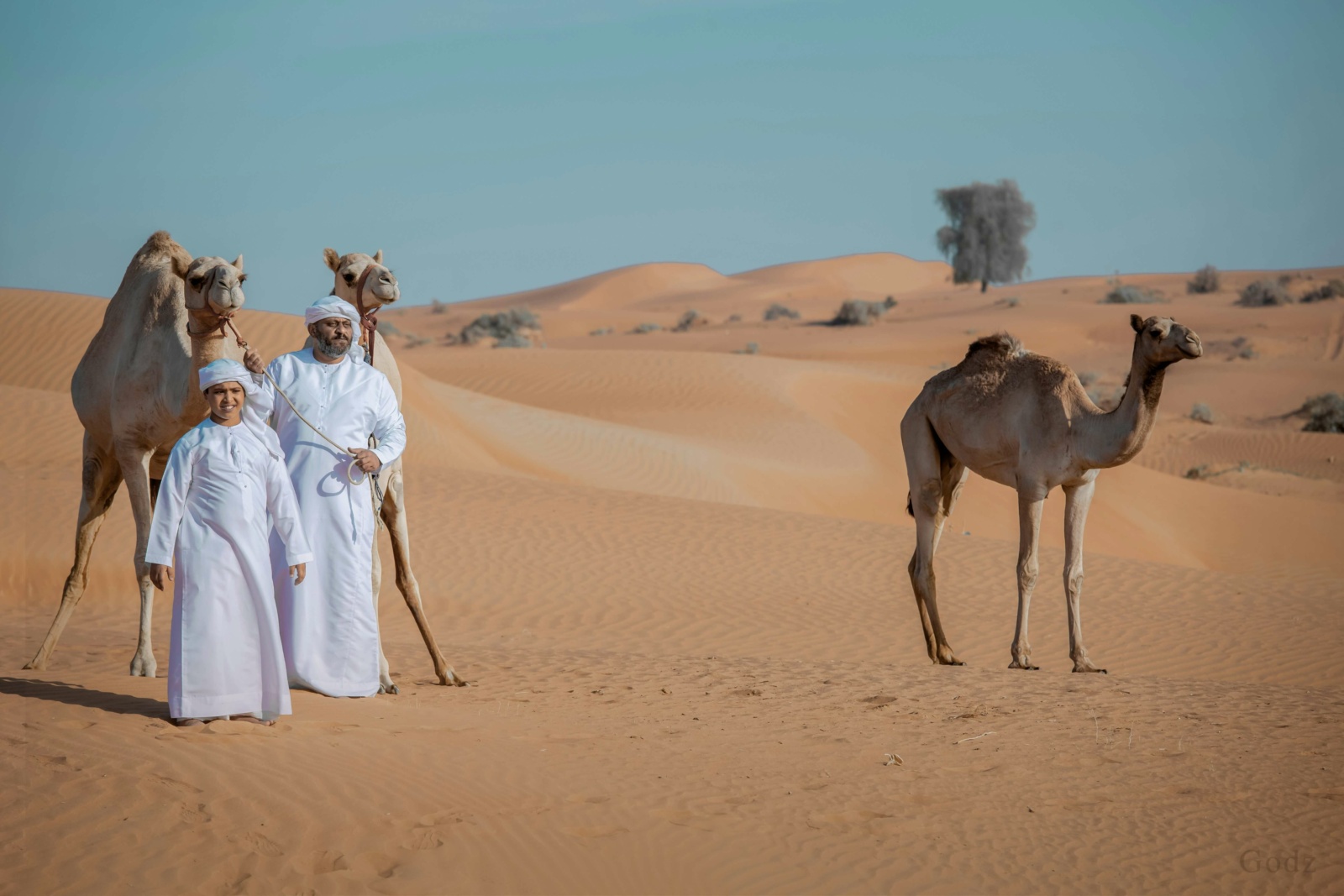
Beyond the headlines and hotel announcements, Ras Al Khaimah’s real strength lies in its landscape. It defines itself as ‘The Nature Emirate’ and is uniquely defined by three natural pillars: beach, mountain and desert (a combination not found anywhere else in the UAE).
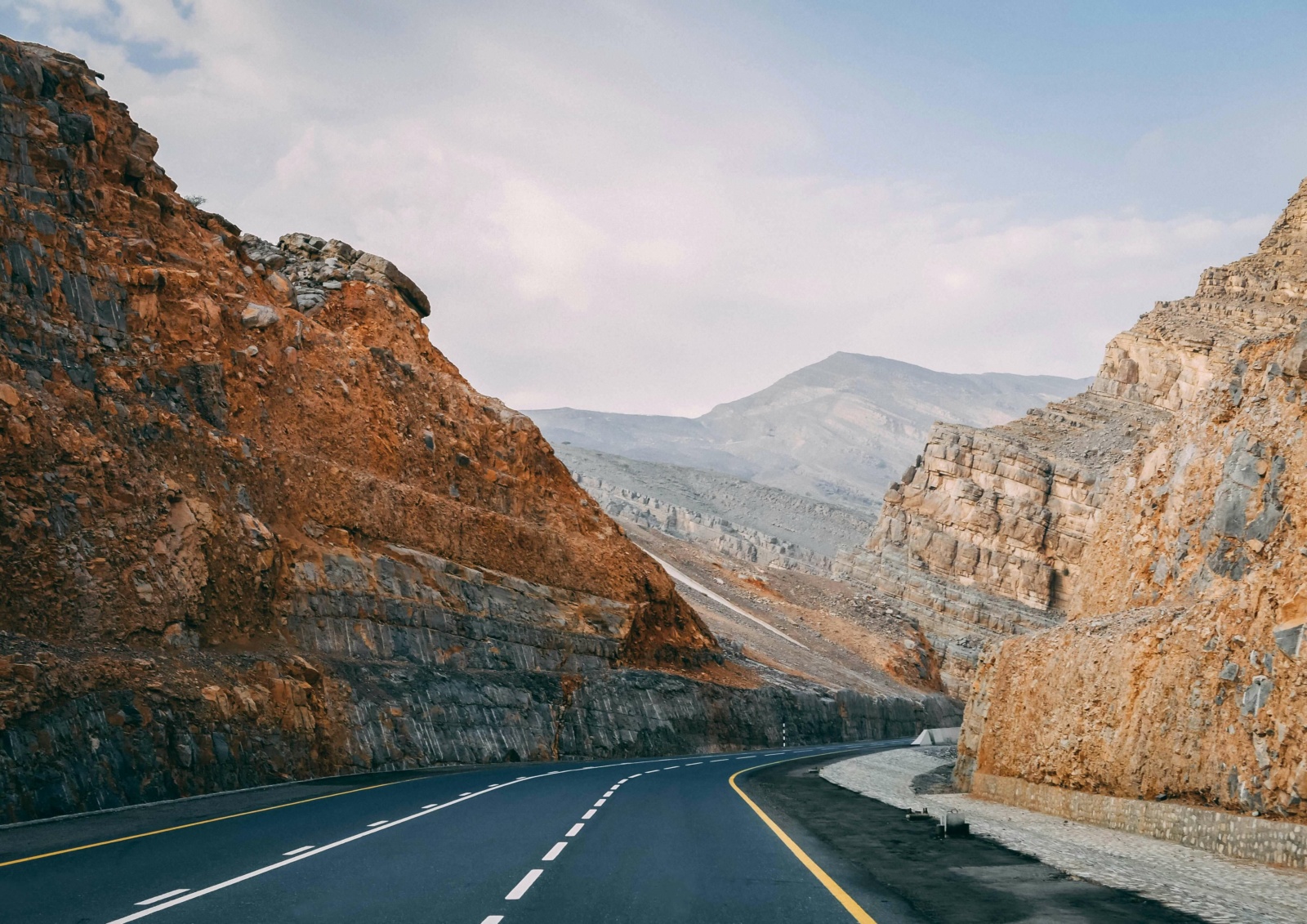
The coastline offers long, quieter beaches and a more laid-back resort atmosphere. Inland, the dramatic Hajar Mountains provide a striking contrast, home to Jebel Jais, the UAE’s highest peak and Jais Flight -the world’s longest zipline . Adventure seekers can explore hiking trails, via ferrata routes and mountain experiences that feel worlds away from the skyscrapers of Dubai.
The desert completes the picture, offering opportunities for dune bashing, sand boarding and immersive desert stays that prioritise space, silence and star-filled skies. Together, these elements create a destination that appeals to travellers seeking both luxury and adventure, but without the crowds.
Looking Ahead: Predictions for Ras Al Khaimah
Ras Al Khaimah feels poised at a defining moment. With high-profile resort openings on the horizon, pioneering developments and a destination strategy rooted in nature, space and experience, the Emirate is positioning itself as a quieter, more refined alternative within the UAE.
Rather than chasing scale, RAK appears focused on substance, attracting travellers who value balance, authenticity and variety. If the coming year unfolds as planned, Ras Al Khaimah may well move from “one to watch” to “must-visit” status for travellers looking beyond the obvious.
For now, it’s a destination in transition and I can’t wait to explore and visit in 2026.
Is Ras Al Khaimah on your travel bucket list yet?
Read Next: 34 Fun and Unique Things to do in Dubai, UAE.



Leave a comment