
A Traveller’s Guide to Public Transport in Spain

For travellers, using public transport in Spain is an efficient, affordable and rewarding way to explore this beautiful Mediterranean country. From inner-city metros to high-speed national trains, navigating Spain’s public transport is safe and easy. Read on for our top safety and travel tips for travellers using public transport in Spain.
Spain’s transport network is known for its reliability, frequency and excellent value, making it easy to between Spanish cities without the need for a hire car or taxi. With clear signage, frequent services and a strong commuting culture, Spains public transport infrastructure is one of the best in Europe.
This Traveller’s Guide to Public Transport in Spain is designed to help you navigate through Spains towns and cities with confidence in Spain and get the best possible experience from it. Whether you’re inter-railing across Spain or on a weekend city break, this guide (including our 10 top tips) will help you to scale public transport like a local.
Jump Menu
- Understanding Spain’s Main Public Transport Options
- Public Transport in Spain’s Major Cities
- 10 Top Tips for Travellers using Public Transport in Spain
- Understanding Spain’s Local Transport Etiquette
- Paying for Public Transport in Spain: Cash or Contactless
- Choosing the Right Ticket or Pass
Understanding Spain’s Main Public Transport Options
Spain offers a comprehensive mix of transport systems that make moving between neighbourhoods, cities and regions feel seamless.
You’ll encounter:
Metro networks in major cities, known for their frequent services and clear signage
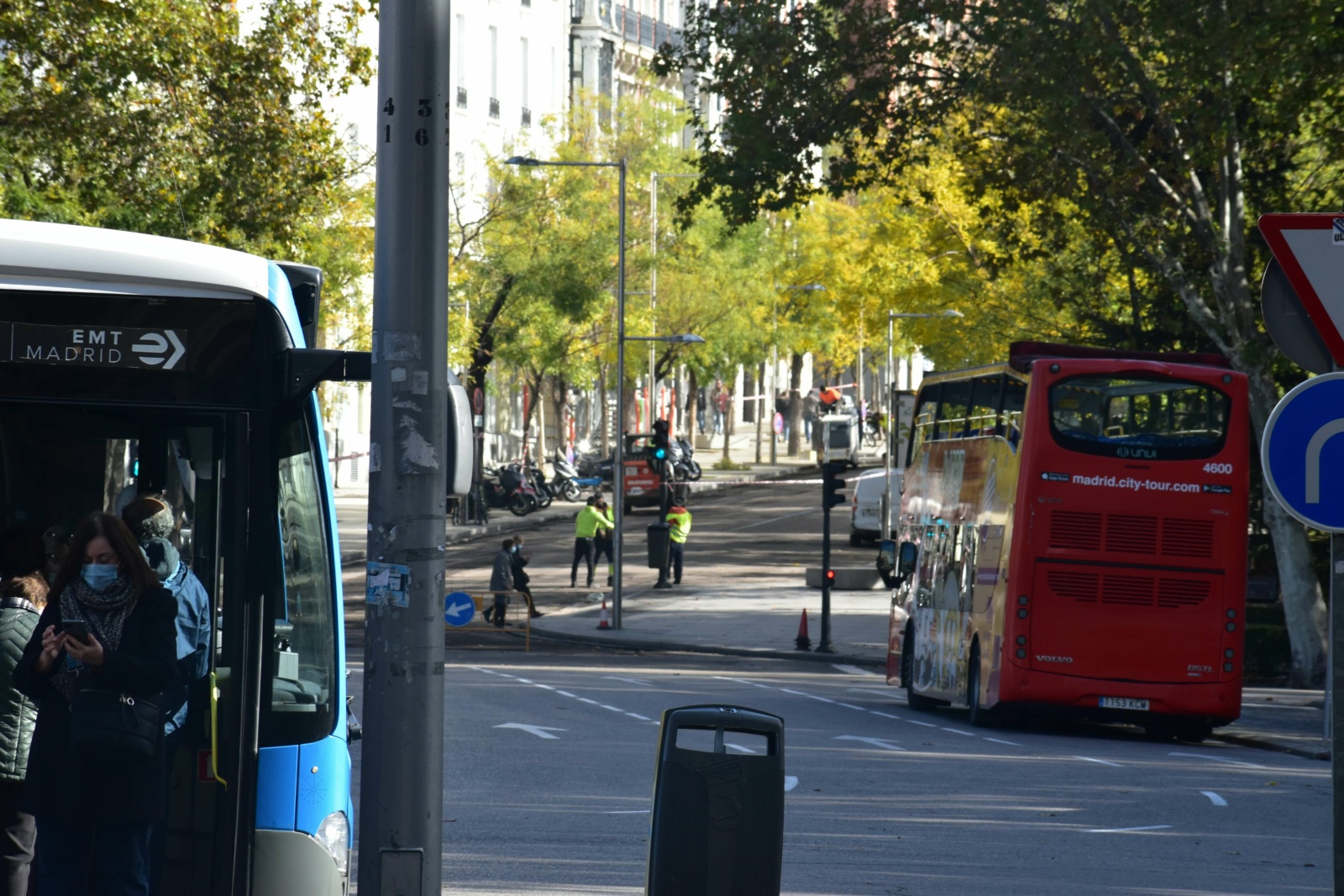
Urban and intercity buses connecting city centres with residential and coastal areas
Trams in select cities, often offering quieter, scenic routes
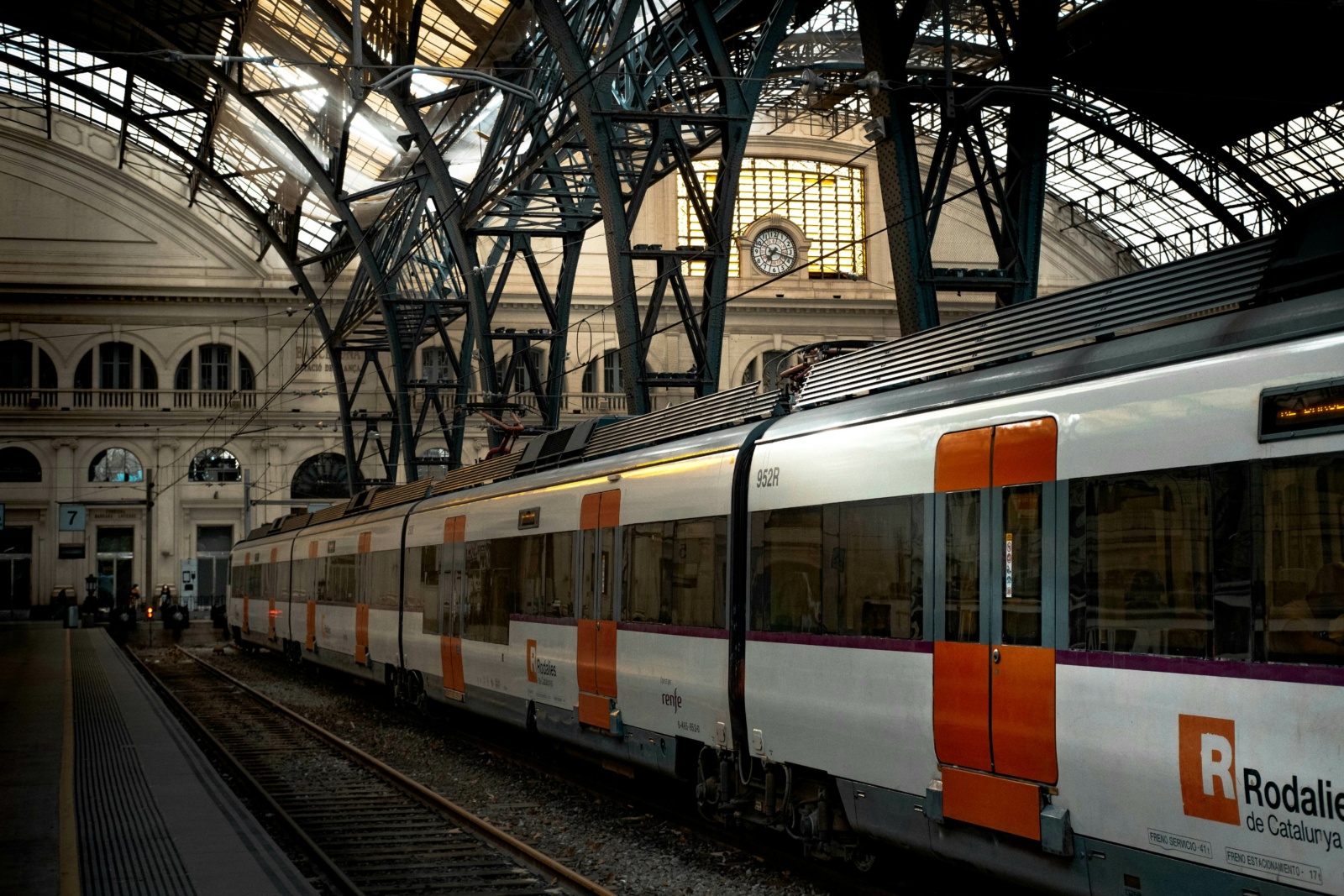
RENFE national trains; RENFE is Spain’s national rail network which links cities, regions and provides comfortable long-distance travel
Stations are well signposted, with clear route maps and universally recognisable symbols. Even in unfamiliar cities, it’s easy to find your bearings and adapt quickly.
Public Transport in Spain’s Major Cities
Spain’s largest cities are exceptionally well connected, each offering a slightly different mix of transport options depending on size, layout and history. Knowing what to expect in each destination makes navigating your arrival far smoother.
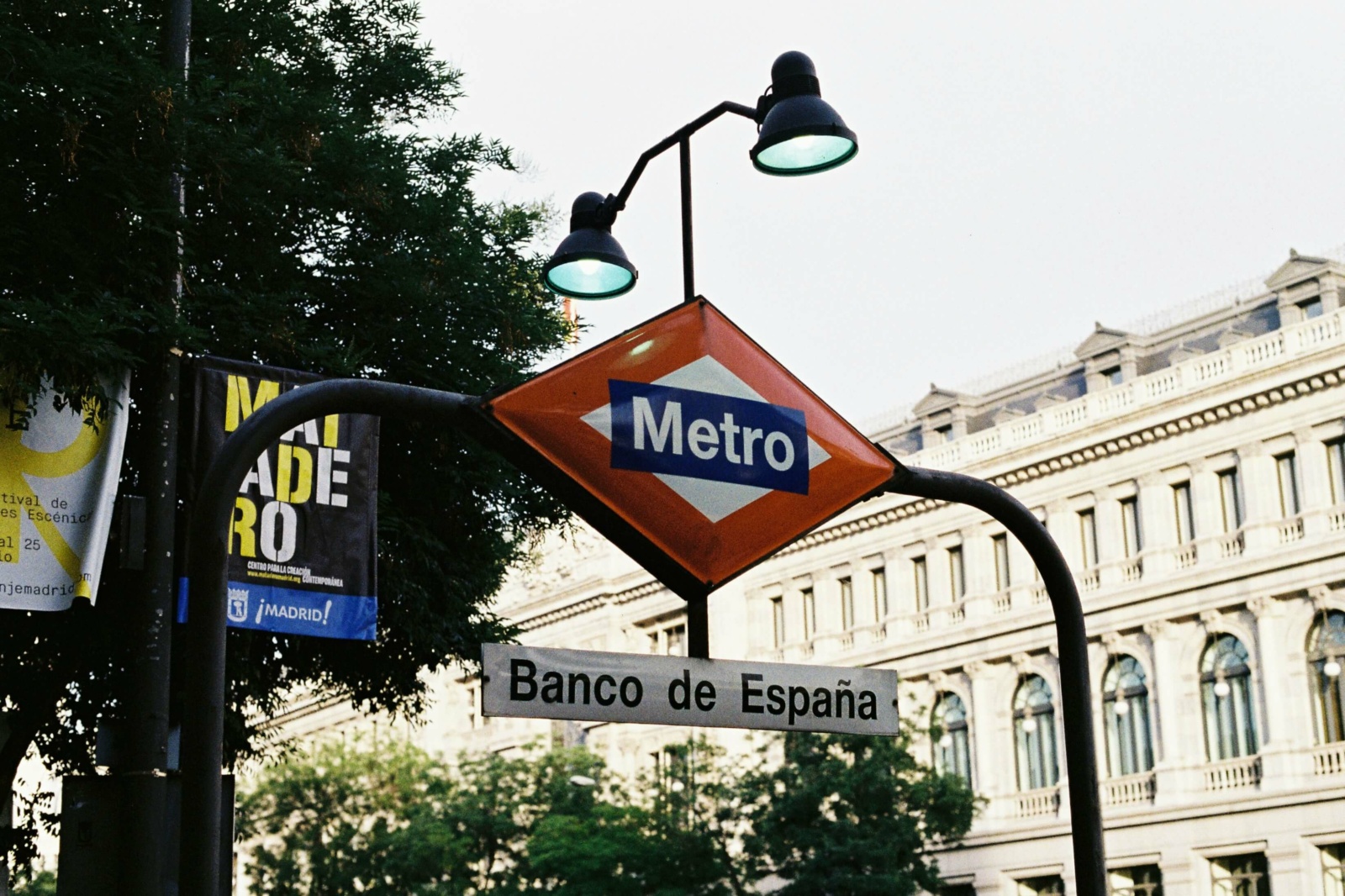
Madrid has one of the most extensive metro systems in Europe, covering almost every corner of the city and its surrounding suburbs. The metro is fast, affordable and easy to navigate, complemented by an efficient bus network that runs day and night. It’s one of the easiest cities in Spain to explore entirely by public transport.
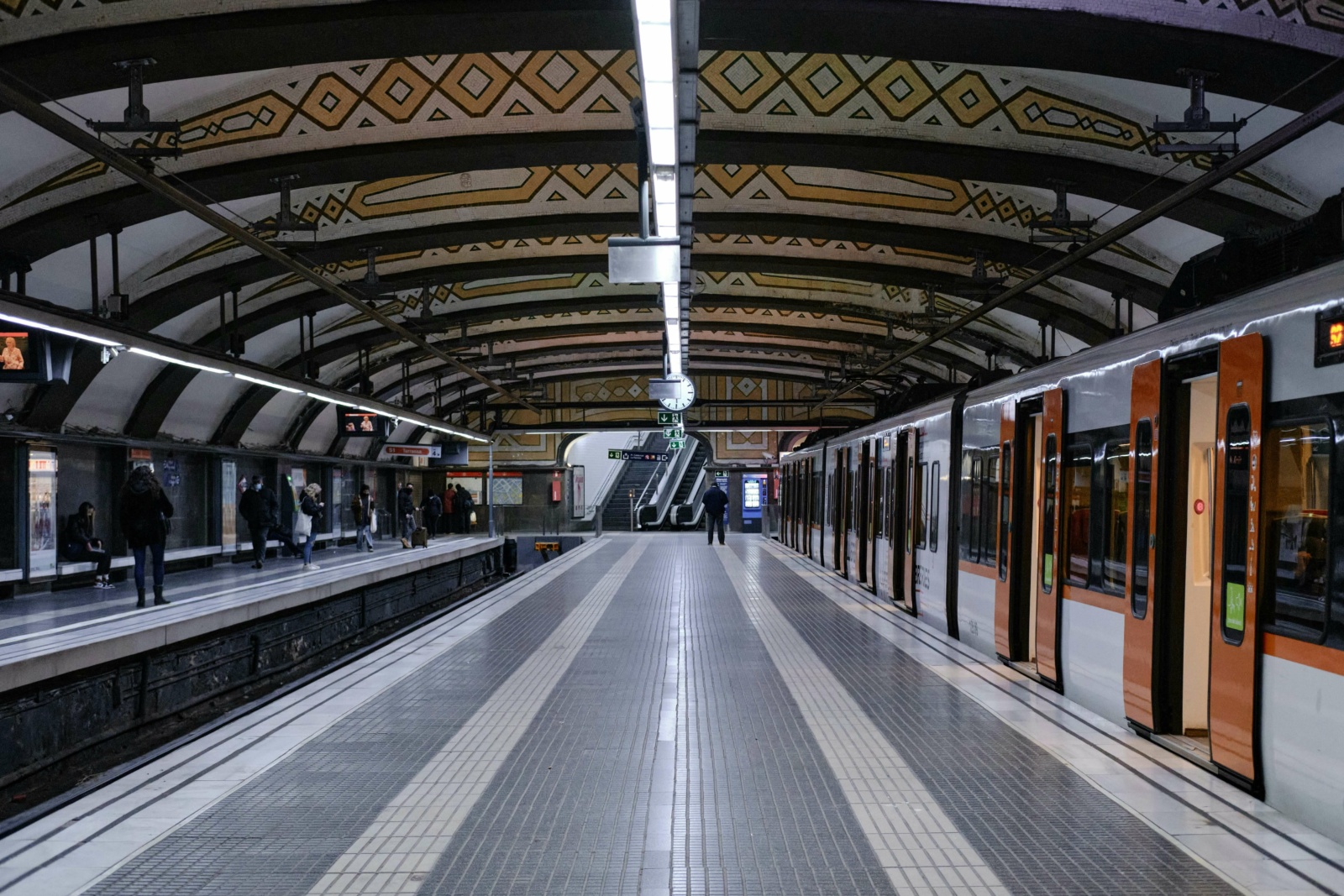
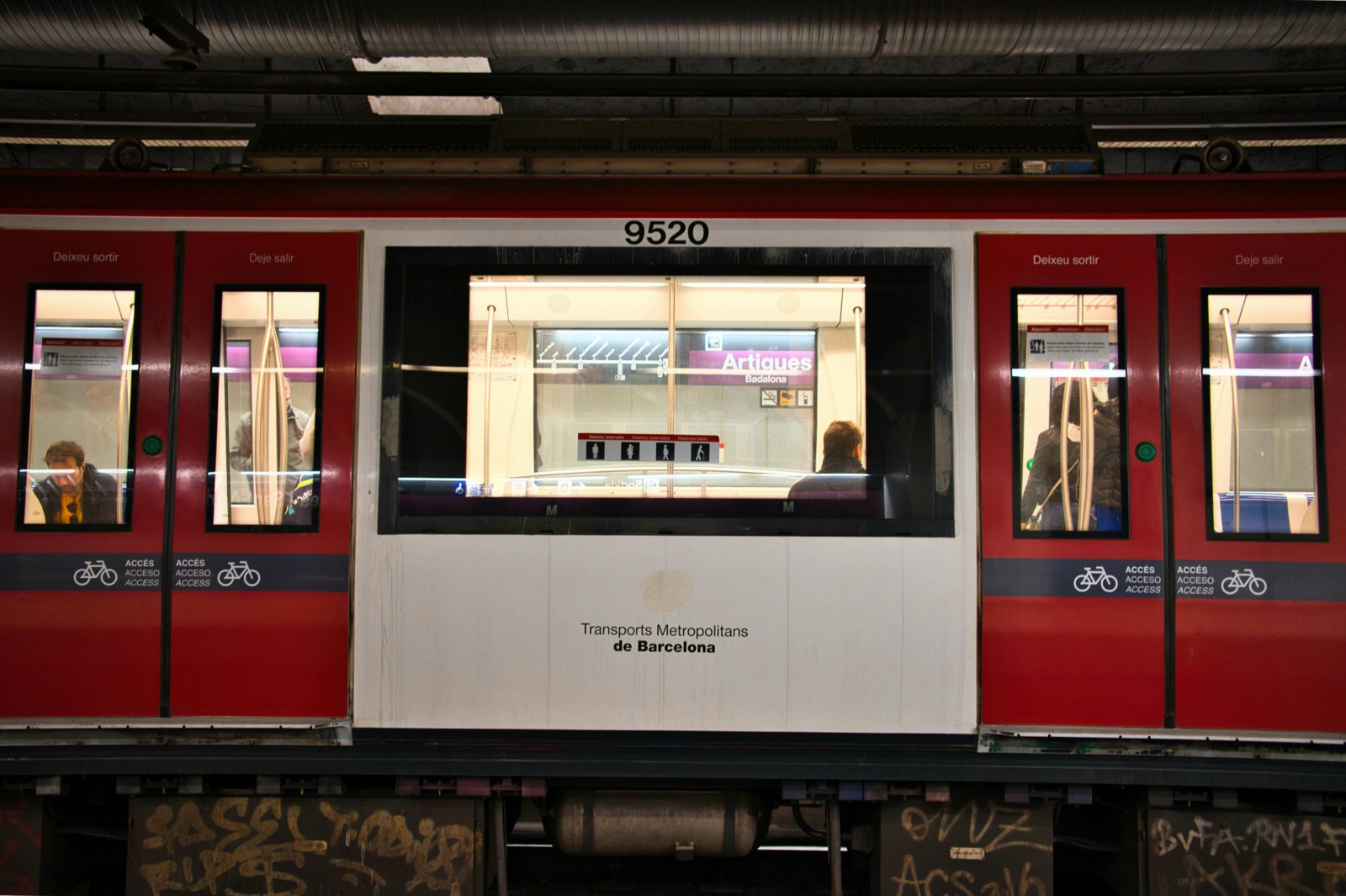
Barcelona offers a well-integrated mix of metro, buses and trams. The metro is the quickest way to move between neighbourhoods, while trams serve outer districts and coastal areas. Barcelona’s transport system is particularly user-friendly, with clear signage and strong connectivity between lines.
Valencia combines metro lines with trams that run along the coast and into residential areas, making it ideal for travellers moving between the city centre and the beach. Buses fill in the gaps and run frequently throughout the day.
Seville relies more heavily on buses, supported by a single metro line and a modern tram that connects key central areas. Its compact historic centre also makes walking a practical option between short journeys.
Bilbao features a clean, efficient metro system designed by Norman Foster, alongside trams and buses that link cultural districts and riverfront areas.
Smaller cities and regional destinations tend to operate reliable bus and regional train services, ensuring that even beyond the major hubs, getting around Spain remains straightforward and accessible.
10 Top Tips for Travellers using Public Transport in Spain
1. Avoid the morning and afternoon rush hours
Like most major European cities, Spain’s transport hubs can feel busiest during early mornings and early evening commutes. Avoid these times if you can for a more pleasant experience. During these times, locals tend to move with purpose, especially on metro systems. If you do need to travel during rush hours, staying calm and aware of your surroundings helps you move confidently without feeling rushed.
2. Allow plenty of time for journeys
As you’re in a new place, things will take a little longer than normal to navigate, and the last thing you want to do is feel stressed and short on time to make your travel connections. For the best possible experience, always allow plenty of time to reach your platform or bus stop.
3. Be aware of pickpockets in busy areas
Just like all other countries worldwide, busy stations and high-traffic areas naturally attract pickpocketing and crime. Staying alert (without becoming anxious) is key.
Keep valuables secured in zipped sections of bags and avoid placing phones or wallets on seats or open surfaces. Women often prefer sitting near other passengers rather than isolated areas, particularly during quieter periods.
4. Download local travel apps in advance
Navigating your way around a new city is made so much easier these days with the right travel apps in your palm. Transport apps provide real-time updates, platform changes and service alerts, helping journeys feel smooth and predictable – even during peak hours. Try downloading local travel apps for your destination before arriving, so you’re informed as soon as you hit the ground.
Having consistent data access is particularly useful when travelling around and between cities. A Spain data eSIM plan allows you to stay connected for maps, route planning and essential information without relying on public Wi-Fi. Translation tools can also be invaluable, especially when announcements are made in Spanish or Catalan, offering peace of mind if plans change.
My personal favourite travel app is Citymapper as it will tell you the best way to get from A to B in cities across the world. In Spain, Citymapper works in Madrid, Barcelona, Valencia, Seville and Bibao.
5. Share your location with someone you know and trust
Staying connected and sharing your location with someone your trust via mobile data also offers reassurance, giving you quick access to navigation and a way to communicate should you need them.
6. Carry water and a portable charger
Some of Spain’s public transport networks are now air conditioned, but many are still not and it can get incredibly hot during the Spanish summer. Always travel with some water and a portable charger to avoid your phone running out of battery as you navigate around.
7. Check ahead for any big calendar events that could affect your journey
Festivals, parades and sporting events are part of everyday life in Spain and they can occasionally disrupt transport schedules. Monitoring updates through apps helps you stay informed and flexible.
8. Don’t force yourself into an uncomfortable journey
If a carriage or bus feels uncomfortably crowded, waiting for the next service is often the easiest solution, especially in cities where services run frequently.
9. Choose to sit in well-lit and populated areas, especially if travelling solo
Female travellers often choose to sit amongst others, rather than in isolated areas. Safety in numbers is the general rule of thumb. Spain’s public transport is well lit, safe and regulated with CCTV cameras and security.
10. Keep hygiene in mind
Germs are easily shared and transferred on all public transport, so it’s a good idea to travel with a bottle of anti-bac gel and cleanse your hands after every journey to stay as healthy as possible during your travels.
Understanding Spain’s Local Transport Etiquette
Each region of Spain has its own rhythms, and public transport reflects these cultural nuances. Observing local habits helps you blend in and travel more comfortably.
You may notice that:
- Drivers are often greeted on smaller regional buses
- Be polite and always let passengers disembark before you step on
- Priority seating is respected for older adults, pregnant women and those with disabilities
- Passengers move towards the centre of carriages to keep doorways clear
- Eating is generally avoided on metros, though water is fine
Paying for Public Transport in Spain: Cash or Contactless
Spain’s public transport is moving steadily towards cashless and contactless systems, but the reality on the ground is still a mix of old and new — and it varies slightly by city and transport type.
In major cities such as Madrid, Barcelona and Valencia, most metro systems now favour contactless payment. This includes transport cards, bank cards, mobile wallets (Apple Pay / Google Pay) and digital passes purchased via apps. Ticket machines at metro stations almost always accept cards, and contactless entry is becoming increasingly common.
That said, cash hasn’t disappeared entirely. You can still use cash in certain situations:
• Ticket machines in some stations (coins or notes, though card is preferred)
• City buses, particularly in smaller cities or regional towns, where drivers may accept cash for single tickets (often with exact change)
• Regional and rural transport, where systems are slower to modernise
As a general rule of thumb, don’t rely on cash as your primary option, especially in larger cities. A contactless card or transport pass will always be the smoothest and quickest way to move around.
Choosing the Right Ticket or Pass
Spain offers a variety of ticketing options depending on the length and style of your stay. Many cities use reloadable transport cards that offer excellent value for unlimited daily or weekly travel. Madrid and Barcelona, in particular, have day and weekly travel passes that significantly reduce costs if you’re using public transport frequently.
For regional journeys, tickets are often purchased separately, and machines usually offer English-language options. Station staff are helpful if you need assistance, and keeping digital copies of tickets is a good way to avoid loosing them.
To Conclude
With a little preparation and research, travellers can navigate their way through Spain’s public transport system like a local. By staying aware, using smart planning tools and mobile connectivity, you can make public transport an empowering part of your Spanish travels.
Have these tips for using public transport in Spain been helpful? If you can think of any more, please feel free to add them to the comment box below.
Read next: My 48 Hour Guide to Bilbao


Leave a comment